
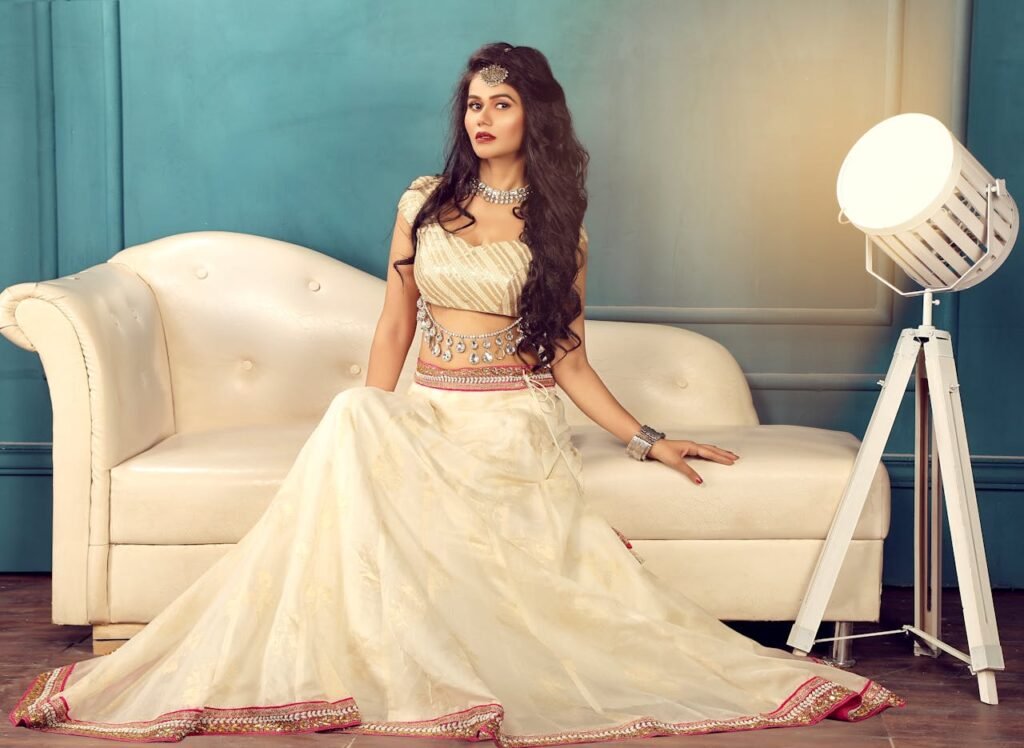
What Defines Modern Indian Fashion Aesthetics?
Walk through any Indian street today, and you’ll notice something interesting.
A saree paired with sneakers.
A kurta styled with denim.
A lehenga worn with a crop top.
This is not confusion. This is evolution.
Modern Indian fashion aesthetics are no longer limited to tradition or Western influence alone. They exist in a dynamic space where heritage meets experimentation, and where identity is expressed through thoughtful styling.
So, what exactly defines modern Indian fashion today?
Let’s explore.
The Shift from Traditional to Modern Expression
For decades, Indian fashion was largely occasion-based.
- Traditional wear for festivals and weddings
- Western wear for office and casual settings
But that boundary has blurred.
Today, modern Indian fashion is about integration, not separation. People are no longer switching between identities. They are blending them.
This shift is driven by:
- Urban lifestyles
- Global exposure
- Digital fashion influence
- Changing cultural mindsets
Modern aesthetics now reflect how people actually live, not just how they celebrate.
Fusion Wear: The Core of Modern Indian Aesthetics
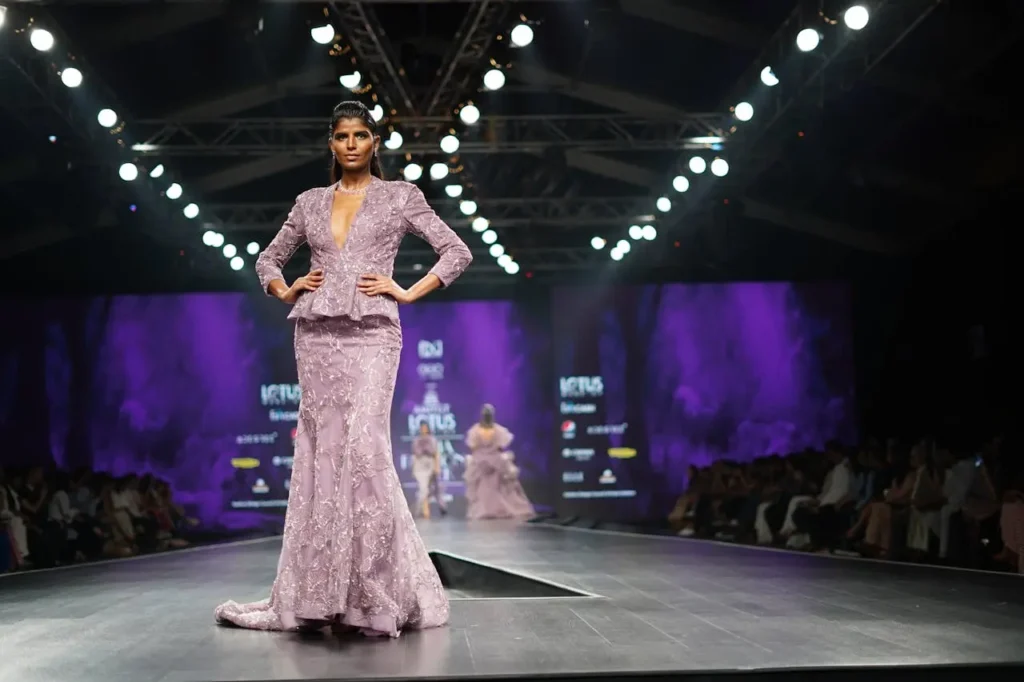
If there is one defining element, it is fusion.
Fusion wear is not just a trend. It is the foundation of modern Indian style.
You’ll often see combinations like:
- Sarees styled with belts or jackets
- Kurtas paired with trousers or jeans
- Ethnic skirts worn with shirts or blazers
This blending allows individuals to create looks that are:
- Comfortable
- Versatile
- Unique
Fusion fashion also makes traditional outfits more wearable in everyday life.
For example, a lightweight saree can be styled casually for work, not just reserved for special occasions. You can explore such adaptable styles through curated saree collections that balance elegance with modern usability.
Minimalism with Meaning
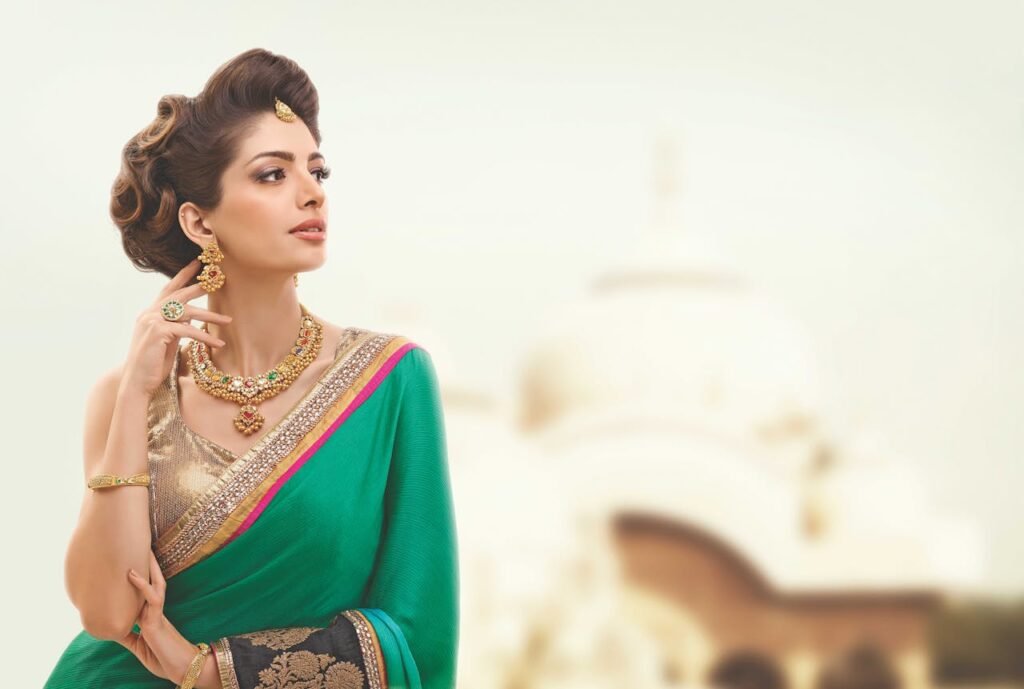
Another defining feature of modern Indian fashion aesthetics is minimalism.
But this is not plain or boring minimalism.
It is intentional simplicity.
Instead of heavy embroidery and layered designs, many people now prefer:
- Clean silhouettes
- Subtle textures
- Soft color palettes
- Lightweight fabrics
This shift reflects changing priorities.
Comfort is now as important as appearance.
This is especially visible in urban fashion, where people want outfits that transition easily from day to night.
Revival of Handloom and Craftsmanship
Interestingly, modern fashion is also bringing back the past.
There is a growing appreciation for:
- Handloom fabrics
- Artisan-made clothing
- Traditional weaving techniques
But the difference lies in presentation.
Instead of wearing traditional pieces in their original form, designers are reimagining them with modern cuts and styling.
This creates a powerful balance:
- Old craftsmanship
- New design language
Consumers today are more conscious. They value authenticity and sustainability, making handcrafted fashion more relevant than ever.
The Influence of Bollywood and Social Media
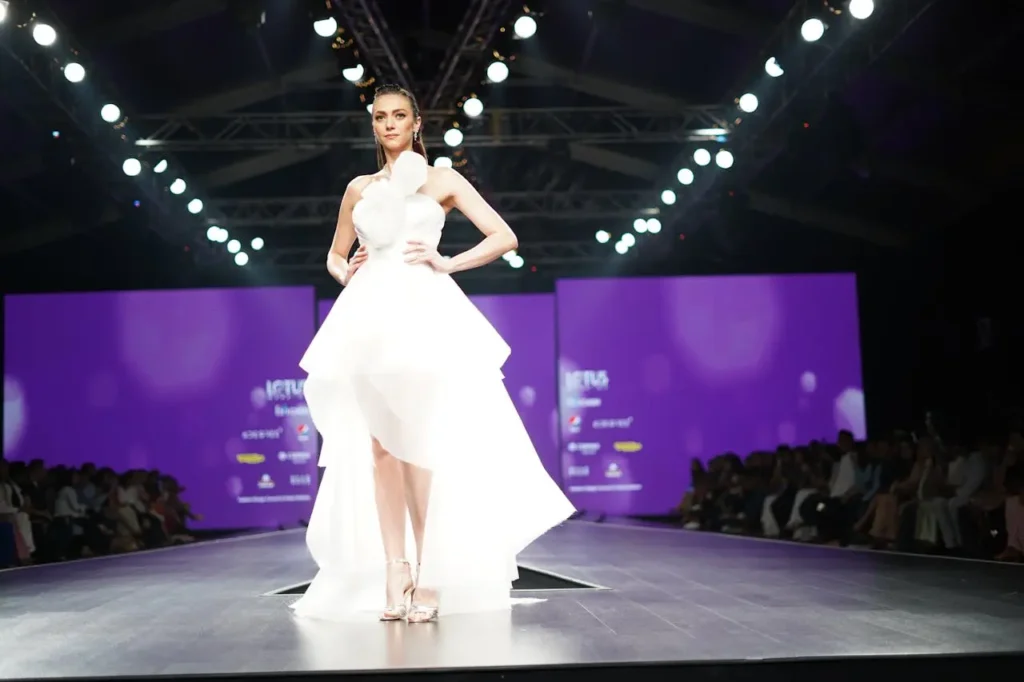
Fashion in India has always been influenced by cinema.
But today, that influence is faster and more widespread.
A single outfit worn by a celebrity can go viral within hours.
Social media platforms like Instagram have turned influencers into trendsetters. This has led to:
- Rapid trend cycles
- Increased experimentation
- Greater accessibility to style ideas
Cities like Mumbai continue to shape these trends, often setting the tone for what becomes popular across the country.
The Rise of Occasion Fluid Dressing
Earlier, outfits were clearly defined by occasion.
Now, that distinction is fading.
Modern Indian fashion embraces occasion fluidity, where the same outfit can be styled differently for multiple settings.
For example:
- A simple kurta can be styled formally with trousers
- The same kurta can be dressed down with jeans for a casual look
Even traditionally heavy outfits like lehengas are now being redesigned in lighter fabrics and simpler designs, making them suitable for smaller events and modern celebrations.
This flexibility is a key part of modern aesthetics.
Comfort as a Style Statement
Comfort is no longer a compromise.
It is a statement.
Modern Indian consumers prioritize:
- Breathable fabrics
- Easy silhouettes
- Functional designs
This is especially important in a country with diverse climates and busy lifestyles.
Designers are responding by creating clothing that feels as good as it looks.
Gender-Neutral and Inclusive Fashion
Another important shift is inclusivity.
Modern Indian fashion is gradually moving toward:
- Gender-neutral silhouettes
- Size inclusivity
- Diverse representation
This reflects a broader cultural change where fashion becomes a tool for self-expression rather than rigid categorization.
Regional Influence in a Unified Style
Even in modern aesthetics, regional identity still plays a role.
But instead of being isolated, it is now shared.
People across India are embracing styles from different states:
- Rajasthani prints in urban outfits
- Bengali draping styles in modern sarees
- South Indian fabrics in contemporary silhouettes
Platforms like Sasty are helping accelerate this shift by making diverse South Asian fashion more accessible in one place.
This creates a unified yet diverse fashion identity.
The Role of Color in Modern Aesthetics
Color choices in modern Indian fashion are evolving.
While bright and bold colors are still popular, there is a growing preference for:
- Pastels
- Earth tones
- Monochrome palettes
This shift aligns with global trends while still maintaining an Indian sensibility.
Personalization Over Trends
Perhaps the most defining aspect of modern Indian fashion aesthetics is personalization.
People are no longer blindly following trends.
Instead, they are:
- Mixing styles
- Experimenting with combinations
- Creating their own fashion identity
Fashion is becoming more individual and less prescriptive.
Why This Matters Today
Understanding modern Indian fashion aesthetics is important for both consumers and brands.
For consumers, it helps in:
- Making better style choices
- Building versatile wardrobes
- Expressing individuality
For platforms like Sasty, it highlights the need to:
- Curate diverse collections
- Balance tradition with modern trends
- Showcase authentic regional styles
Final Thoughts
Modern Indian fashion aesthetics cannot be defined by a single trend or style.
They are shaped by contrast.
- Tradition and innovation
- Simplicity and statement
- Comfort and creativity
It is this balance that makes Indian fashion truly unique.
Today, fashion in India is not about choosing between ethnic and Western.
It is about creating something new from both.
And that is what defines modern Indian fashion aesthetics.
