
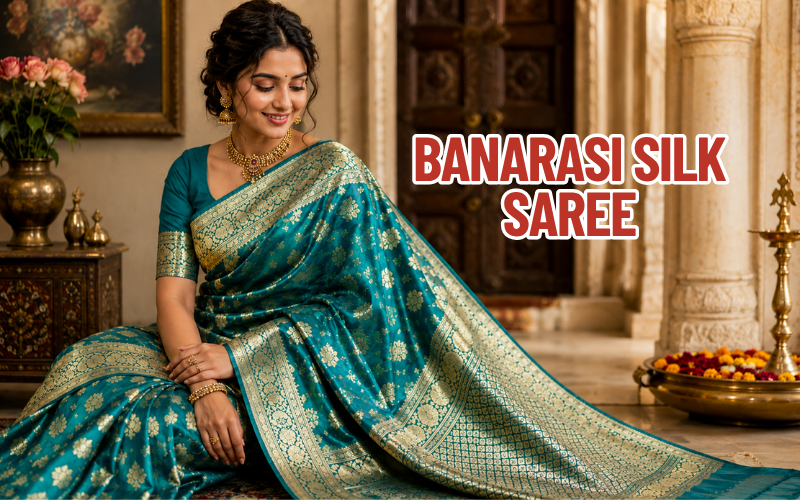
Few sarees in India carry the same level of heritage, craftsmanship, and royal elegance as the Banarasi Silk Saree. Known for its luxurious silk texture, intricate zari work, and centuries-old weaving traditions, the Banarasi saree is considered one of the finest examples of Indian textile artistry.
For generations, Banarasi Silk Sarees have been associated with weddings, royal celebrations, festivals, and important cultural occasions. A bride wearing a traditional Banarasi saree is not simply wearing a piece of clothing; she is carrying forward a legacy created by generations of skilled artisans.
Originating from Varanasi (also known as Banaras) in Uttar Pradesh, India, these sarees are admired worldwide for their detailed craftsmanship. From Mughal-inspired floral patterns to traditional motifs such as buttas, paisleys, and architectural designs, every Banarasi saree tells a story through its weaving.
Today, Banarasi Silk Sarees continue to evolve. While traditional designs remain highly valued, modern designers have introduced lighter fabrics, contemporary colors, and fusion styles, making Banarasi sarees popular among younger generations as well.
This complete guide explores everything about Banarasi Silk Sarees, including their history, weaving process, types, styling ideas, authenticity checks, buying tips, and care instructions.
What is a Banarasi Silk Saree?
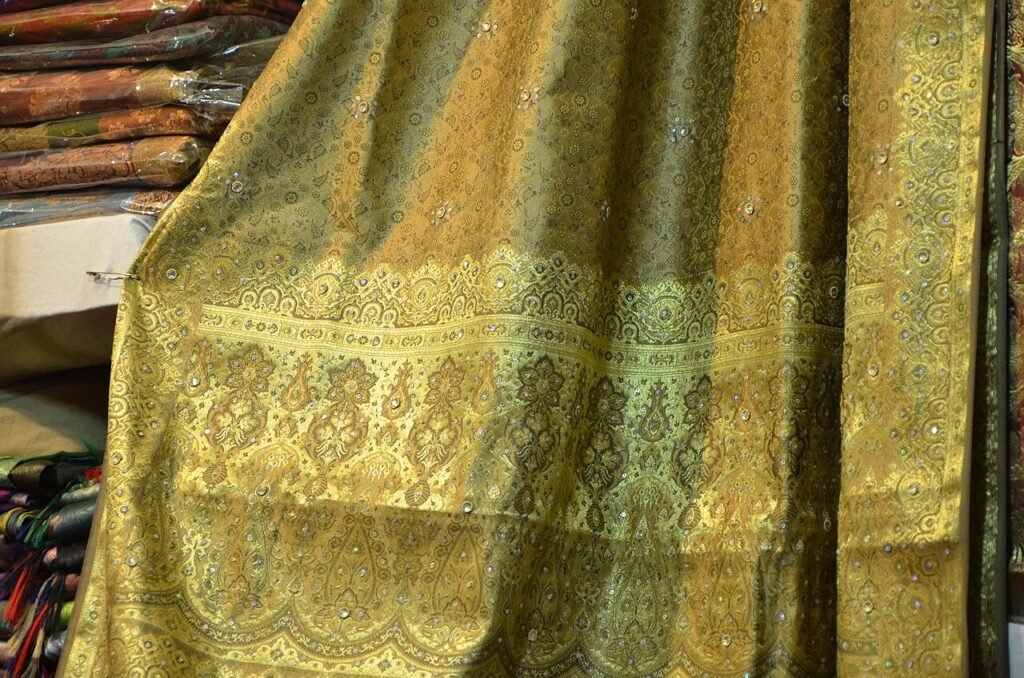
A Banarasi Silk Saree is a traditional Indian handwoven saree made primarily in Varanasi, Uttar Pradesh. It is famous for its rich silk fabric, intricate zari embroidery, and detailed weaving techniques.
The defining feature of a Banarasi saree is its luxurious appearance created through the combination of:
- Fine silk threads
- Gold or silver zari work
- Intricate motifs
- Traditional weaving methods
Unlike printed sarees where designs are added after the fabric is produced, Banarasi designs are created during the weaving process itself. This makes each saree a product of patience, skill, and artistic craftsmanship.
Traditional Banarasi sarees often feature motifs inspired by nature, Mughal art, and Indian cultural symbols. Popular designs include flowers, leaves, vines, paisleys, and geometric patterns.
Because of their richness and craftsmanship, Banarasi Silk Sarees are often considered heirloom pieces that can be passed from one generation to another.
Banarasi Silk Saree Belongs to Which State?
The Banarasi Silk Saree originates from Varanasi in Uttar Pradesh, India.
Varanasi, one of the world’s oldest continuously inhabited cities, has been a major center of textile production for centuries. The city’s association with silk weaving dates back hundreds of years, with artisans developing specialized techniques that eventually created the famous Banarasi saree.
The saree gets its name from Banaras, the traditional name of Varanasi.
Although Banarasi sarees are strongly connected with Uttar Pradesh, their popularity extends throughout India and across the world. They are especially cherished in:
- Uttar Pradesh
- West Bengal
- Bihar
- Maharashtra
- Gujarat
- South India
Today, Banarasi sarees are worn by women globally, particularly during weddings and cultural celebrations.
History of Banarasi Silk Saree
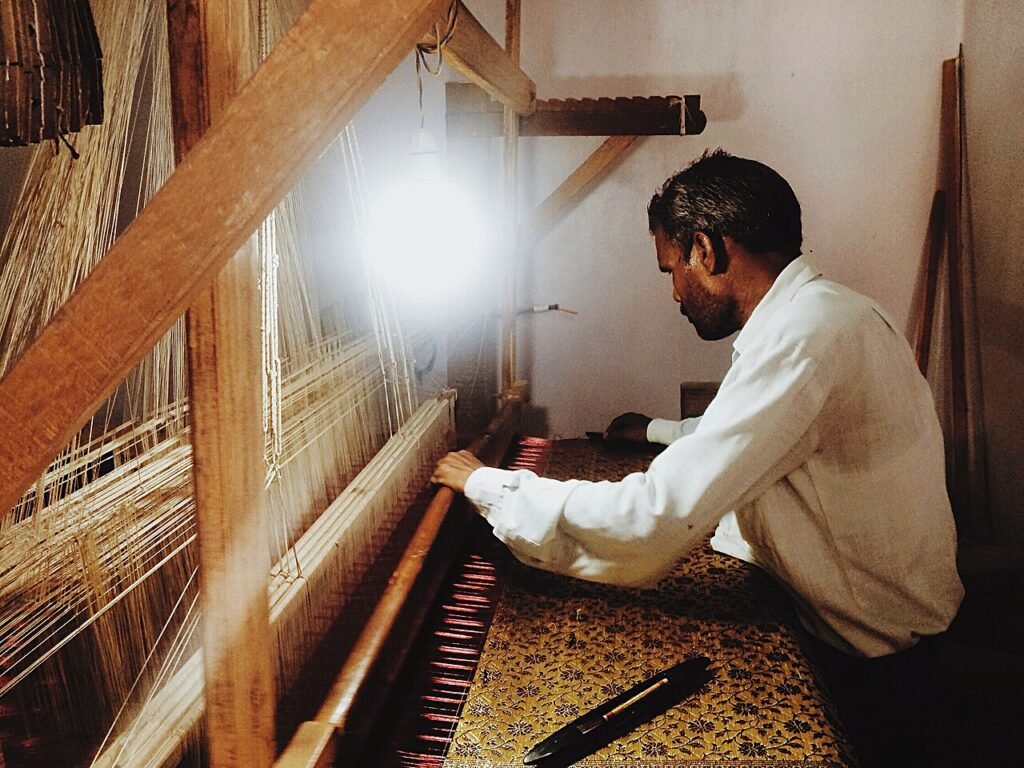
The history of the Banarasi saree is deeply connected with India’s rich textile traditions.
The weaving culture of Varanasi developed over centuries, influenced by various civilizations, artistic movements, and royal patronage.
During the Mughal era, especially under rulers who encouraged arts and craftsmanship, Persian design influences became prominent in Indian textiles. Artisans began incorporating delicate floral patterns, intricate borders, and sophisticated weaving techniques into silk fabrics.
This period played an important role in shaping the Banarasi saree as we know it today.
Mughal-inspired motifs such as:
- Jaal patterns
- Floral vines
- Butis
- Paisley designs
became iconic elements of Banarasi weaving.
Over generations, weaving communities in Varanasi preserved these techniques and passed them from one generation to another.
Even today, many Banarasi sarees are created using traditional handloom methods, maintaining the connection between modern fashion and centuries-old craftsmanship.
Why is Banarasi Silk Saree So Famous?
The popularity of Banarasi Silk Sarees comes from a combination of beauty, heritage, and craftsmanship.
Unlike mass-produced garments, every authentic handwoven Banarasi saree represents hours of skilled labour.
Several factors make it special:
Exceptional Craftsmanship
Creating a Banarasi saree requires advanced weaving skills. Artisans carefully design and produce patterns directly into the fabric.
Luxurious Appearance
The natural shine of silk combined with zari work creates a rich, royal appearance.
Cultural Importance
Banarasi sarees are strongly associated with Indian weddings and traditional celebrations.
Long-Lasting Value
A high-quality Banarasi saree can remain beautiful for decades when properly maintained.
Many families preserve Banarasi sarees as treasured possessions passed from mothers and grandmothers to younger generations.
How is Banarasi Silk Saree Made?
The creation of a Banarasi Silk Saree is a detailed process involving several stages.
Silk Preparation
The process begins with selecting high-quality silk yarn. The silk is prepared, cleaned, and dyed according to the desired color.
Design Creation
Before weaving begins, artisans carefully develop the saree design. Traditional motifs require precise planning because the patterns are created during weaving.
Weaving Process
The saree is woven on a handloom, where artisans carefully combine silk threads and zari threads.
Complex designs require exceptional concentration because even a small mistake can affect the entire pattern.
Zari Work
Traditional Banarasi sarees use zari, which refers to metallic threads traditionally made with gold or silver coating.
The zari creates the luxurious shine that makes Banarasi sarees instantly recognizable.
Finishing
After weaving, the saree undergoes finishing processes to enhance its texture and appearance before reaching customers.
A complex Banarasi saree can take weeks or even months to complete depending on the design.
Types of Banarasi Silk Sarees
Banarasi sarees are available in several varieties based on fabric, weaving technique, and design.
Pure Katan Silk Banarasi Saree
Katan silk is one of the most traditional and luxurious varieties.
It features a smooth texture and rich appearance, making it highly popular for bridal wear.
Organza Banarasi Saree
Also known as Kora silk, organza Banarasi sarees are lighter and more delicate.
They are popular for elegant festive looks.
Georgette Banarasi Saree
These sarees combine Banarasi weaving techniques with lightweight georgette fabric.
They are comfortable and suitable for modern styling.
Shattir Banarasi Saree
Shattir is a relatively lighter and more affordable variation suitable for contemporary wear.
Tissue Banarasi Saree
Tissue Banarasi sarees have a shiny, glamorous appearance and are often chosen for festive occasions.
Popular Banarasi Saree Designs and Motifs
Banarasi sarees are famous for their detailed patterns.
Butidar Design
Small decorative motifs spread across the saree.
Jangla Design
Features large floral patterns covering the fabric.
Tanchoi Design
Known for colorful silk thread patterns.
Meenakari Banarasi
Combines zari work with colorful enamel-like thread designs.
Shikargah Design
Inspired by traditional hunting scenes and storytelling art.
Banarasi Silk Saree for Weddings
For many Indian brides, a Banarasi saree represents tradition, elegance, and family heritage.
Brides often choose rich red, maroon, pink, or gold Banarasi sarees for wedding ceremonies.
Popular bridal choices include:
- Red Banarasi silk saree
- Gold Banarasi saree
- Bridal Meenakari Banarasi saree
- Heavy zari Banarasi saree
Many brides also prefer Banarasi sarees because they can be preserved as family heirlooms.
How to Style a Banarasi Silk Saree
Because Banarasi sarees already have a luxurious appearance, styling should complement rather than overpower the garment.
Jewelry
Traditional jewelry works beautifully with Banarasi sarees.
Popular choices include:
- Gold necklaces
- Jhumkas
- Bangles
- Temple jewelry
- Kundan sets
Blouse Ideas
Modern blouse designs include:
- High-neck blouses
- Full-sleeve blouses
- Embroidered sleeves
- Contrast-colored blouses
Hairstyles
Traditional hairstyles such as buns with flowers work beautifully for weddings, while softer hairstyles create a modern appearance.
How to Drape a Banarasi Silk Saree
The Banarasi saree can be draped in several styles.
Traditional Nivi Style
The most common Indian saree draping style.
Bengali Style
A popular choice for Banarasi sarees, especially during cultural celebrations.
Gujarati Style
Features the pallu brought forward over the shoulder.
Bridal Style Draping
Often includes additional pleating and decorative arrangements.
The choice depends on the occasion and personal preference.
How to Identify an Original Banarasi Silk Saree?
With increasing demand, many imitations are available in the market.
Some signs of an authentic Banarasi saree include:
Handwoven Details
Authentic Banarasi sarees often show slight irregularities because they are handmade.
Quality of Silk
Pure silk has a distinctive softness and natural shine.
Reverse Side Examination
Traditional handwoven sarees often show weaving details on the backside.
GI Tag
Authentic Banarasi sarees are protected under the Geographical Indication (GI) system.
How to Wash and Care for Banarasi Silk Saree?
Proper maintenance helps preserve the beauty of a Banarasi saree.
Avoid Regular Washing
Dry cleaning is generally recommended for silk Banarasi sarees.
Store Carefully
Keep the saree folded in a clean cloth.
Avoid direct sunlight and moisture.
Refold Occasionally
Changing folding positions helps prevent permanent creases.
Protect Zari
Avoid harsh chemicals that may damage metallic threads.
Where to Buy Banarasi Silk Saree Online?
When purchasing online, buyers should consider:
- Seller reputation
- Fabric details
- Silk quality
- Weaving information
- Customer reviews
Authentic sellers usually provide details about:
- Silk type
- Weaving method
- Artisan information
- Saree origin
Platforms featuring multiple South Asian fashion brands can also help shoppers discover different Banarasi styles in one place.
Frequently Asked Questions About Banarasi Silk Saree
What makes Banarasi silk saree special?
A Banarasi silk saree is special because it represents centuries of Indian weaving heritage, exceptional craftsmanship, and luxurious textile artistry. Unlike ordinary sarees where designs are usually printed or added after production, traditional Banarasi sarees feature motifs that are woven directly into the fabric by skilled artisans.
The combination of high-quality silk, intricate zari work, and detailed patterns gives Banarasi sarees their distinctive royal appearance. Many traditional designs are inspired by Mughal art, nature, and Indian architecture, including floral vines, paisley motifs, butis, and elaborate borders.
Another reason Banarasi silk sarees are highly valued is their durability. A genuine handwoven Banarasi saree can last for decades when properly maintained and is often passed down as a family heirloom from one generation to another.
Is Banarasi silk saree only for weddings?
No, a Banarasi silk saree is not limited only to weddings. While it is one of the most popular choices for Indian brides, especially for traditional wedding ceremonies and receptions, Banarasi sarees are versatile enough to be worn for many different occasions.
Women wear Banarasi sarees for:
- Festivals such as Diwali, Durga Puja, and other cultural celebrations
- Religious ceremonies and family gatherings
- Formal events and traditional functions
- Wedding guest outfits
- Anniversary celebrations
- Cultural programs
The styling can completely change the look of the saree. A heavy zari Banarasi saree paired with traditional gold jewelry creates a bridal or festive appearance, while a lighter Banarasi silk saree with a contemporary blouse can create an elegant modern look suitable for younger women.
Which city is famous for Banarasi sarees?
Varanasi, also known as Banaras or Kashi, is famous worldwide for producing authentic Banarasi silk sarees. Located in Uttar Pradesh, India, Varanasi has been a major center of silk weaving for centuries.
The city’s skilled weaving communities developed specialized techniques that made Banarasi sarees unique, particularly the use of fine silk, detailed zari work, and intricate motifs.
The traditional weaving heritage of Varanasi has been preserved through generations of artisans. Because of its cultural and historical importance, the Banarasi saree has received a Geographical Indication (GI) recognition, which helps protect the identity of authentic Banarasi products.
Today, when people search for original Banarasi silk sarees, Varanasi remains the most recognized place associated with this iconic textile.
How long does it take to make a Banarasi saree?
The time required to make a Banarasi saree depends on the complexity of the design, weaving technique, and level of craftsmanship involved.
A simple Banarasi saree may take several weeks to complete, while highly detailed handwoven pieces with complex zari patterns can take several months.
The process involves multiple stages, including:
- Preparing and dyeing silk threads
- Designing traditional motifs
- Setting up the handloom
- Carefully weaving the fabric
- Creating zari borders and decorative patterns
- Finishing and quality checking the saree
The detailed work required explains why authentic handwoven Banarasi sarees are considered valuable textile investments rather than ordinary fashion items.
Is every Banarasi saree made of pure silk?
No, not every Banarasi saree is made from pure silk. Traditionally, Banarasi sarees were created using high-quality silk, especially Katan silk, which remains one of the most premium varieties.
However, modern markets offer different types of Banarasi sarees made with various fabrics, including:
- Pure silk Banarasi sarees
- Organza Banarasi sarees
- Georgette Banarasi sarees
- Tissue Banarasi sarees
- Silk-blend Banarasi sarees
Pure silk Banarasi sarees generally have a richer texture, heavier feel, and higher value because of the quality of material and craftsmanship involved.
When purchasing a Banarasi saree, buyers should carefully check the fabric description to understand whether it is a pure silk handwoven piece or a blended variation.
Can Banarasi sarees be worn by young women?
Yes, Banarasi sarees are increasingly popular among young women because modern designs have made them more versatile and easier to style.
While traditional Banarasi sarees were often associated with bridal wear and older generations, contemporary designers have introduced lighter fabrics, pastel shades, minimal zari work, and modern blouse designs that appeal to younger fashion lovers.
Young women often style Banarasi sarees with:
- Sleeveless or designer blouses
- Contemporary jewelry
- Belts for a fusion look
- Minimal makeup
- Modern hairstyles
A lightweight Banarasi saree can create an elegant look for college events, festive celebrations, formal gatherings, and wedding functions without appearing overly traditional.
How much does a Banarasi silk saree cost?
The price of a Banarasi silk saree varies depending on several factors, including the quality of silk, weaving method, zari work, design complexity, and whether the saree is handmade.
Generally, the price is influenced by:
Fabric Quality
Pure silk Banarasi sarees are usually more expensive than blended or synthetic versions because premium silk provides better texture, shine, and durability.
Handloom vs Machine-Made
Handwoven Banarasi sarees cost more because they require significant time and artisan skill. Machine-made versions are usually more affordable but may not have the same craftsmanship and detailing.
Zari Work
Sarees with intricate gold or silver zari patterns, heavy borders, and elaborate motifs typically have higher prices.
Design Complexity
A simple Banarasi saree with minimal motifs will generally cost less than a heavily detailed bridal Banarasi saree.
Authentic handwoven Banarasi silk sarees can range from affordable traditional pieces to premium luxury sarees depending on these factors.
How can I identify an original Banarasi silk saree?
Identifying an original Banarasi silk saree requires checking several details rather than relying only on appearance.
Authentic Banarasi sarees usually have:
- High-quality silk texture with natural shine
- Intricate woven motifs instead of printed designs
- Detailed zari work
- Fine craftsmanship visible in the weaving
- Information about origin and authenticity
Traditional handwoven Banarasi sarees may also have slight irregularities because they are created by artisans rather than machines.
Buyers should purchase from reliable sellers who provide clear information about fabric, weaving method, and saree origin.
How should a Banarasi silk saree be stored?
A Banarasi silk saree should be stored carefully because both silk and zari require protection.
For long-term preservation:
- Fold the saree neatly and wrap it in a soft cotton or muslin cloth
- Keep it away from moisture and direct sunlight
- Avoid storing it in plastic covers for extended periods
- Refold the saree occasionally to prevent permanent creases
- Keep it away from perfumes or chemicals that may damage zari work
With proper storage, a quality Banarasi silk saree can remain beautiful for many years and become a valuable family heirloom.
Can Banarasi silk sarees be worn in summer?
Yes, Banarasi silk sarees can be worn in summer, especially lighter varieties such as organza Banarasi, tissue Banarasi, or lightweight silk versions.
For warmer weather, women often choose:
- Lighter silk varieties
- Minimal zari designs
- Breathable blouse fabrics
- Comfortable draping styles
Traditional heavy Banarasi sarees may feel warmer because of their dense silk and zari work, making them more suitable for evening events or cooler seasons.
Conclusion
The Banarasi Silk Saree is not just a traditional outfit; it is a masterpiece of Indian textile heritage. Every thread represents the skill of artisans, centuries of cultural influence, and a commitment to preserving handcrafted fashion.
From royal courts of the past to modern weddings and global fashion platforms, Banarasi sarees continue to represent elegance, tradition, and timeless beauty.
Whether chosen as bridal wear, a festive outfit, or a treasured family heirloom, a Banarasi Silk Saree remains one of India’s most iconic contributions to the world of fashion.
