
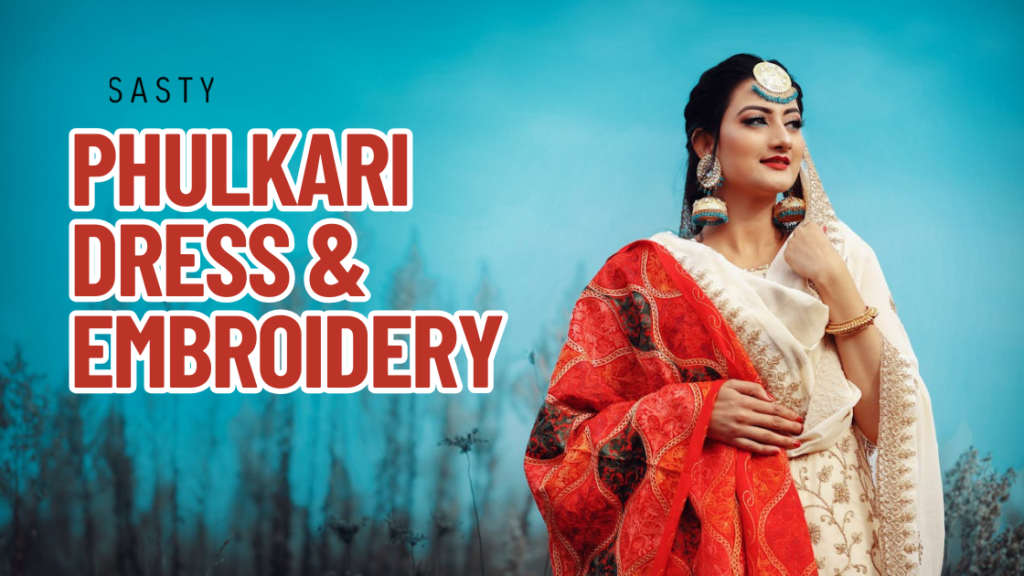
Phulkari Dress & Embroidery: Complete Guide to Punjab’s Iconic Floral Craft
There are few textile traditions in South Asia that feel as alive, as expressive, and as deeply personal as Phulkari. Rooted in the cultural fabric of Punjab, Phulkari is not just embroidery—it is storytelling stitched into cloth.
In Pakistan, especially in Punjab, Phulkari has moved far beyond its rural origins. What was once handcrafted by women for weddings and family events is now seen on runways, festive wear, and modern suits. Yet despite this evolution, the soul of Phulkari remains unchanged.
From vibrant dupattas to heavily embroidered bridal suits, the phulkari dress continues to represent heritage, celebration, and identity.
This guide covers everything—from what Phulkari is and where it comes from, to how to style it in modern wardrobes.
What makes this craft even more relevant today is how naturally it fits into both traditional and contemporary fashion. Whether you are attending a wedding, dressing for Eid, or simply looking to add a cultural piece to your wardrobe, Phulkari offers something that feels authentic and visually striking at the same time.
Phulkari is immensely popular among the Indian community. It is also highly favored by Pakistani fashion lovers.
What is Phulkari?
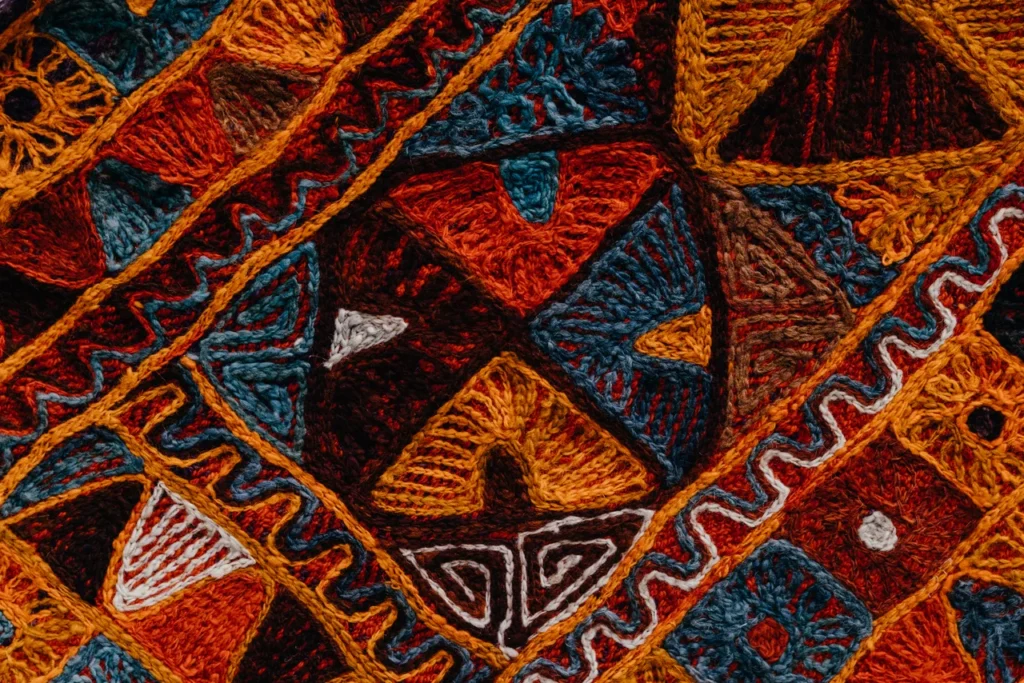
The word Phulkari comes from two Punjabi words: phul (flower) and kari (work), which literally translates to “flower work.”
A Phulkari dress or dupatta is characterized by:
- Dense floral embroidery
- Bright, contrasting colors
- Hand-stitched patterns on cotton or khaddar fabric
Traditionally, the embroidery is done on the reverse side of the fabric using a technique that creates a smooth, satin-like finish on the front.
Unlike many other embroidery styles, Phulkari is not about perfection—it’s about expression. Each piece reflects the creativity and individuality of the person who made it.
What’s important to understand is that Phulkari is not just a “design”—it’s a process. The time, patience, and skill required to complete a single piece can span weeks or even months. This is why original Phulkari holds a different kind of value compared to machine-made alternatives.
Phulkari Embroidery Belongs to Which State?
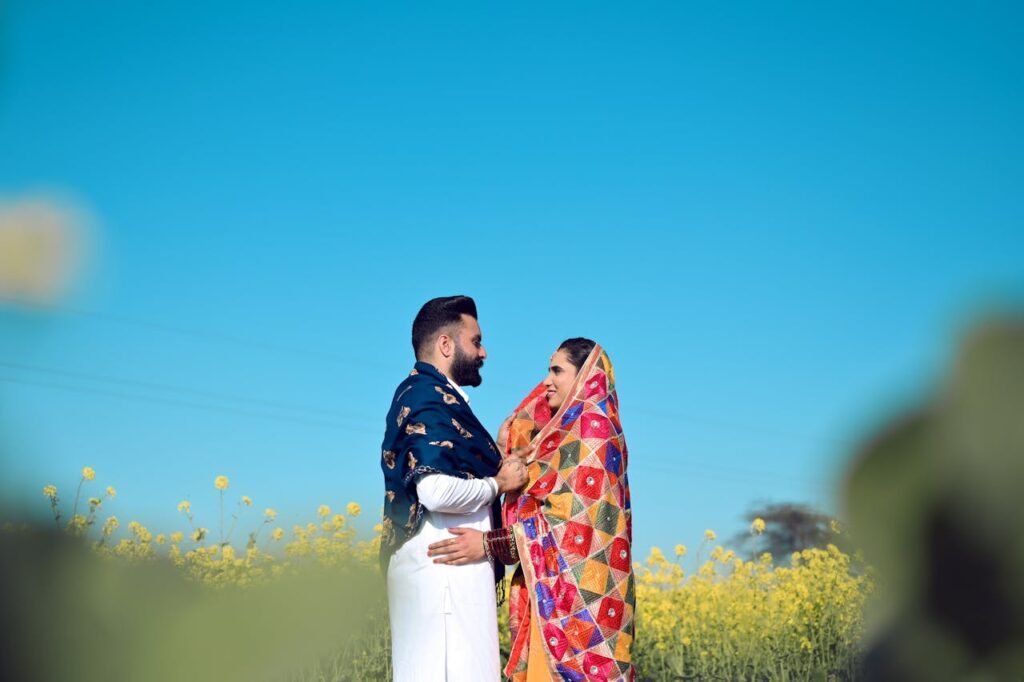
Phulkari embroidery originates from the Punjab region, which today is divided between Pakistan and India.
In Pakistan, it is deeply rooted in:
- South Punjab
- Central Punjab villages
- Rural cultural traditions
Historically, Phulkari was part of a girl’s wedding trousseau. Mothers and grandmothers would spend years creating embroidered pieces for daughters, making each one deeply personal.
Even today, Phulkari is strongly associated with Punjabi identity and remains an important part of cultural celebrations.
Beyond geography, Phulkari represents a shared cultural heritage that connects communities across borders. Even though political boundaries have changed, the craft itself continues to carry the same emotional and cultural meaning for people on both sides.
What is Phulkari Embroidery?
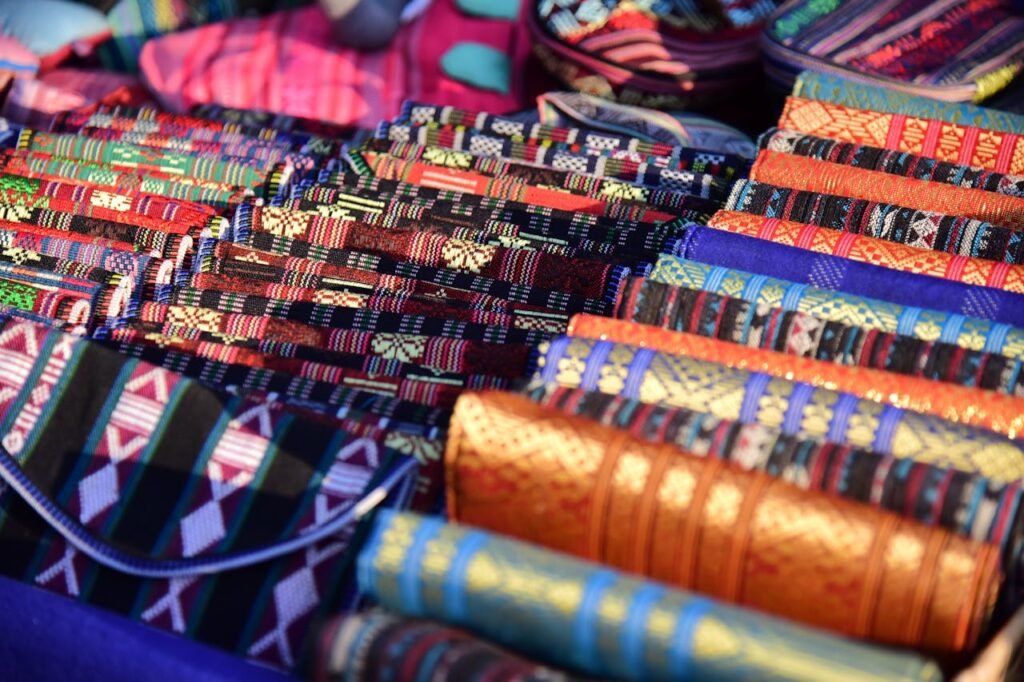
Phulkari embroidery is a traditional hand embroidery technique that uses a darning stitch to create intricate patterns.
What makes it unique is the method:
- The design is stitched from the back of the fabric
- The front reveals a smooth, geometric floral pattern
- Silk threads (called pat) are used for vibrancy
The patterns are often inspired by:
- Nature (flowers, fields, crops)
- Daily village life
- Emotions and celebrations
Unlike machine embroidery, traditional Phulkari has slight irregularities—and that’s exactly what gives it character.
This technique requires a strong sense of visual planning because the artisan does not see the final pattern while stitching. Instead, they rely on memory, experience, and rhythm. This is why every authentic Phulkari piece feels slightly different—it carries the personal imprint of the maker.
The Cultural Significance of Phulkari
Phulkari is not just decorative—it carries emotional and cultural meaning.
In Punjabi culture, Phulkari is:
- A symbol of joy and celebration
- A part of wedding traditions
- A form of artistic expression passed through generations
Different designs were created for different occasions. Some were worn at weddings, others during festivals, and some were gifted as blessings.
This makes every authentic Phulkari piece more than clothing—it becomes a cultural artifact.
In many families, Phulkari pieces are preserved and passed down across generations. They are not discarded like regular clothing. Instead, they become memory pieces—worn at important moments, then carefully stored and gifted forward.
How Many Types of Phulkari Are There?
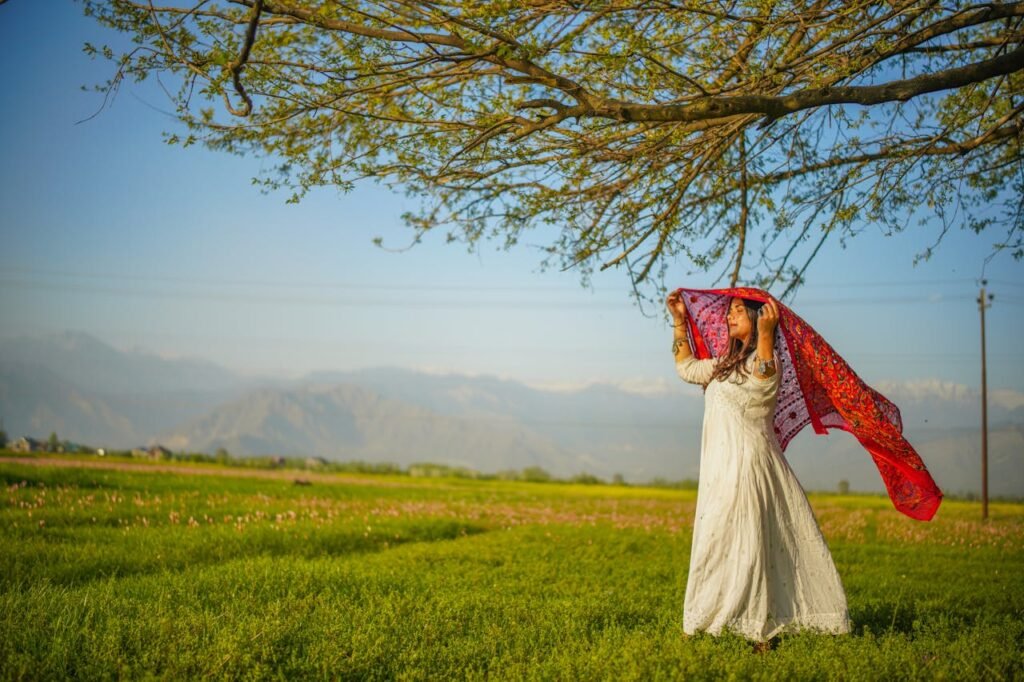
Over time, several types of Phulkari have developed, each with its own identity.
Common Types of Phulkari
Bagh Phulkari
This is the most elaborate type, where the entire fabric is covered with embroidery, leaving almost no base visible.
Chope Phulkari
Traditionally gifted to brides by their grandmothers, featuring symmetrical patterns and borders.
Vari Da Bagh
Given by the groom’s family, usually in rich red tones with golden embroidery.
Darshan Dwar
Highly detailed pieces often used for religious or ceremonial purposes.
Sainchi Phulkari
Depicts scenes from daily life, including farming, animals, and village activities.
Each type tells a different story, making Phulkari incredibly diverse despite its consistent technique.
What’s interesting is that these variations are not just aesthetic—they reflect purpose. Some are meant for ceremonies, some for storytelling, and some purely for decorative beauty. Understanding these differences adds depth to how we see Phulkari today.
Phulkari Dress: From Tradition to Modern Fashion
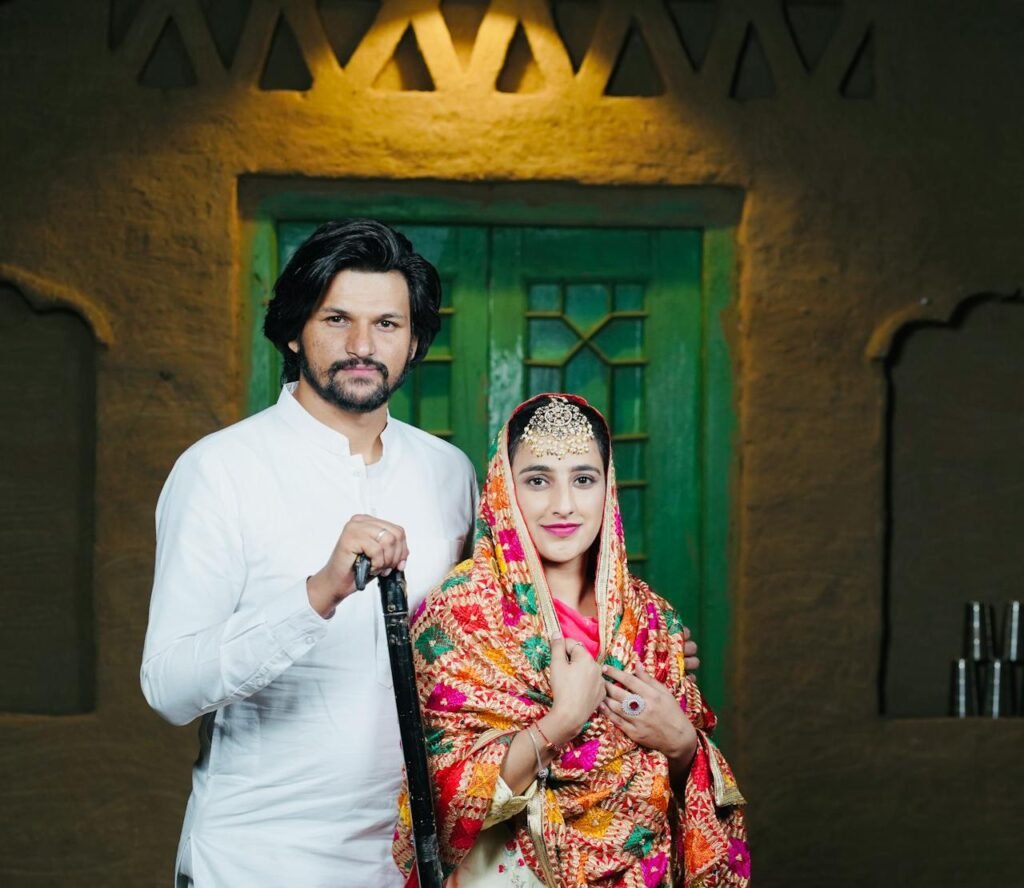
The phulkari dress has evolved significantly in Pakistan.
Traditionally, Phulkari was mainly seen on dupattas. Today, it is incorporated into:
- 3 piece suits
- Kurtas
- Jackets
- Bridal outfits
Modern designers are blending Phulkari with contemporary silhouettes, making it more wearable in urban settings.
This evolution has helped Phulkari stay relevant without losing its cultural depth.
You’ll now find Phulkari in both luxury designer collections and affordable ready-to-wear lines. This accessibility has introduced the craft to a wider audience, especially younger women who want something cultural but still modern.
How to Style Phulkari Dupatta
A phulkari dupatta is often the highlight of an outfit. Because it is vibrant and detailed, the rest of the styling should remain balanced.
The most effective way to style it is to keep the base outfit simple.
You can pair it with:
- A plain white or black kurta
- Neutral-toned suits
- Solid-colored dresses
For a more modern look, some women style it with:
- Jeans and a simple top
- Minimalist co-ord sets
The idea is simple: let the dupatta do the talking.
Styling also depends on the occasion. For formal events, pairing it with traditional attire works best, while for casual settings, fusion styling creates a fresh and effortless look.
What to Wear with Phulkari Dupatta
Choosing the right outfit with a Phulkari dupatta can completely change the look.
A few combinations work particularly well:
- White kurta + colorful Phulkari dupatta
- Black outfit + bright embroidery contrast
- Earth-tone suits + traditional dupatta
Footwear and accessories should also stay minimal. Too many elements can make the look feel overwhelming.
Phulkari works best when it’s the centerpiece—not one of many competing elements.
You can also experiment with textures. For example, pairing a cotton Phulkari dupatta with a linen kurta or a silk base outfit can create interesting contrasts without overpowering the look.
Phulkari Bridal Wear
Phulkari has a strong presence in bridal fashion, especially in Punjabi weddings.
A phulkari bridal dress is often:
- Rich in color (reds, oranges, deep pinks)
- Heavily embroidered
- Paired with traditional jewelry
Some brides choose full Phulkari outfits, while others incorporate it through dupattas or shawls.
It offers a more cultural, heritage-driven alternative to heavily embellished modern bridal wear.
For many brides, choosing Phulkari is a conscious decision to stay connected to tradition rather than following mainstream bridal trends. It creates a look that feels rooted, meaningful, and visually distinct.
Why Phulkari is Still Popular Today
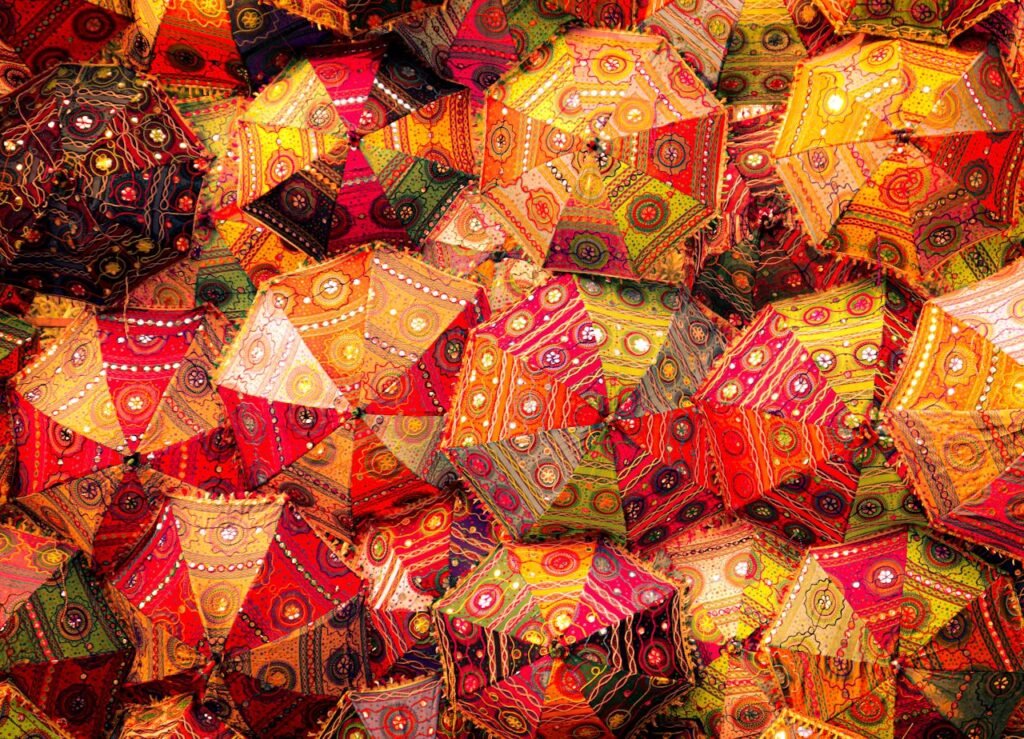
In a time of fast fashion, Phulkari continues to stand out.
Its popularity comes from:
- Cultural authenticity
- Handmade craftsmanship
- Bold and vibrant aesthetic
It also aligns with the growing appreciation for handcrafted and heritage fashion.
People are no longer just buying clothes—they are buying stories. And Phulkari offers plenty of those.
There is also a sense of individuality associated with it. Since handmade pieces are never identical, wearing Phulkari feels more personal compared to mass-produced fashion.
How to Identify Authentic Phulkari
With rising demand, machine-made versions have become common.
To identify authentic Phulkari:
- Look for slight irregularities in stitching
- Check the back side (handwork is visible)
- Feel the texture of the thread
- Observe color depth
Authentic pieces feel more “alive” compared to uniform machine embroidery.
Taking time to understand these differences helps buyers make informed decisions, especially when investing in higher-priced items.
Caring for Phulkari Fabric
Phulkari requires careful handling to maintain its beauty.
It’s best to:
- Avoid harsh washing
- Prefer dry cleaning
- Store in breathable fabric covers
- Keep away from direct sunlight
Proper care ensures the embroidery remains vibrant for years.
With proper maintenance, a Phulkari piece can last decades and even become a family heirloom.
FAQs About Phulkari
What is Phulkari?
Phulkari is not just a type of embroidery—it is a traditional textile art form from Punjab that involves hand-stitching floral and geometric patterns onto fabric using silk threads. It is deeply connected to cultural traditions, especially weddings and celebrations, and is often passed down through generations.
Phulkari embroidery belongs to which state?
Phulkari belongs to the Punjab region, which includes areas in both Pakistan and India. In Pakistan, it is especially prominent in rural Punjab, where it has been practiced for centuries as part of everyday life and cultural expression.
What is special about Phulkari embroidery?
What makes Phulkari unique is its technique. The embroidery is done from the back of the fabric, and the final design appears on the front. This requires skill, precision, and experience, making each piece slightly unique and highly valuable compared to machine-made alternatives.
How many types of Phulkari are there?
There are multiple types of Phulkari, including Bagh, Chope, Vari Da Bagh, Sainchi, and Darshan Dwar. Each type differs in design, purpose, and level of embroidery, with some covering the entire fabric and others focusing on borders or specific motifs.
How to style a Phulkari dupatta?
A Phulkari dupatta is best styled with simple outfits so that its vibrant embroidery stands out. Pairing it with neutral or solid-colored clothing allows the dupatta to become the focal point, creating a balanced and elegant look.
Is Phulkari suitable for weddings?
Yes, Phulkari is widely used in weddings, especially in Punjabi culture. It can be worn as part of bridal outfits, gifted during ceremonies, or styled for festive events. Its rich colors and detailed embroidery make it perfect for celebratory occasions.
Where can I buy Phulkari dresses online?
Phulkari dresses and dupattas are available through various Pakistani brands and online platforms. Curated platforms like Sasty make it easier to explore multiple options in one place, helping buyers compare styles, prices, and authenticity before making a purchase.
Final Thoughts
Phulkari is not just embroidery—it’s identity, memory, and art stitched together.
In Pakistan, it continues to evolve, moving from village traditions to modern wardrobes. Yet, it never loses its essence.
That’s what makes it powerful.
Because in every thread, there’s a story—and in every story, there’s a connection to something deeper than fashion.
