
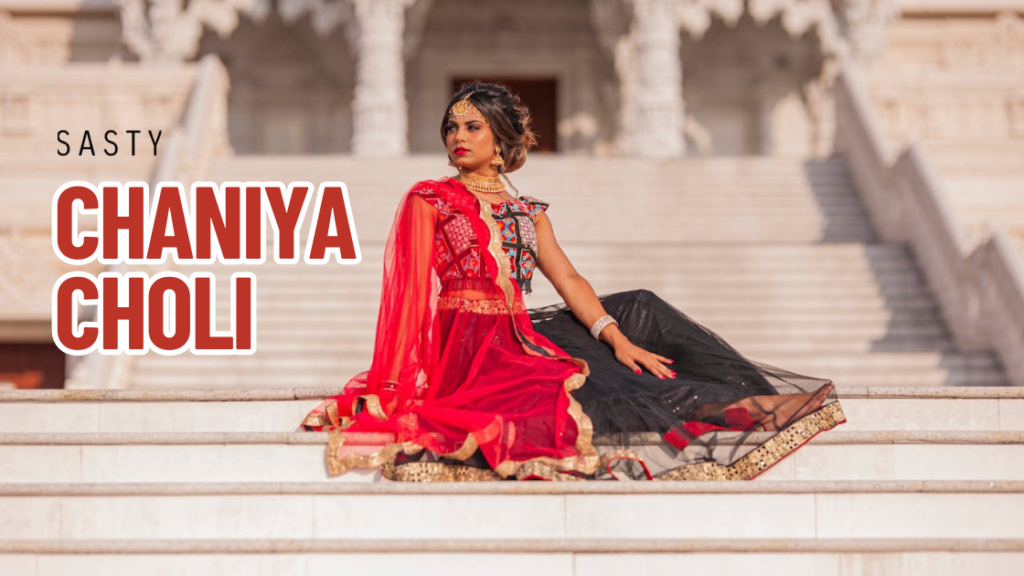
Chaniya Choli: Complete Guide to Gujarat’s Iconic Traditional Dress
Few outfits capture the vibrant spirit of Indian festivals quite like the Chaniya Choli. Colorful, energetic, and rich in cultural heritage, it has become one of the most recognizable traditional outfits from western India.
Although many people discover Chaniya Choli through Navratri celebrations and Garba nights, its story goes far beyond seasonal festivities. The outfit represents centuries of craftsmanship, regional identity, embroidery traditions, and evolving fashion trends.
Today, Chaniya Choli is worn not only in Gujarat but across India and by South Asian communities around the world. Modern designers have reimagined the traditional silhouette with contemporary fabrics, lighter embroidery, and fusion styling, allowing younger generations to embrace the outfit in new ways.
Whether you are attending Garba, shopping for Navratri, exploring Gujarati fashion, or simply curious about this traditional attire, understanding the history and styling of Chaniya Choli helps you appreciate why it remains so popular.
Featured Chaniya Choli for You
What is Chaniya Choli?
A Chaniya Choli is a traditional three-piece outfit consisting of:
- Chaniya (a flared skirt)
- Choli (a fitted blouse)
- Dupatta (a decorative drape)
At first glance, it may resemble a Lehenga Choli, but there are important differences. Traditional Chaniya Choli is closely connected to Gujarati folk culture and often features vibrant colors, mirror work, patchwork, and handcrafted embroidery.
The skirt is typically designed with significant flare, making it ideal for spinning and dancing during Garba and Dandiya performances. The movement of the garment is one of its defining characteristics.
Over the years, Chaniya Choli has become a symbol of celebration, particularly during Navratri, when millions of women wear it during cultural festivities.
Chaniya Choli Belongs to Which State?
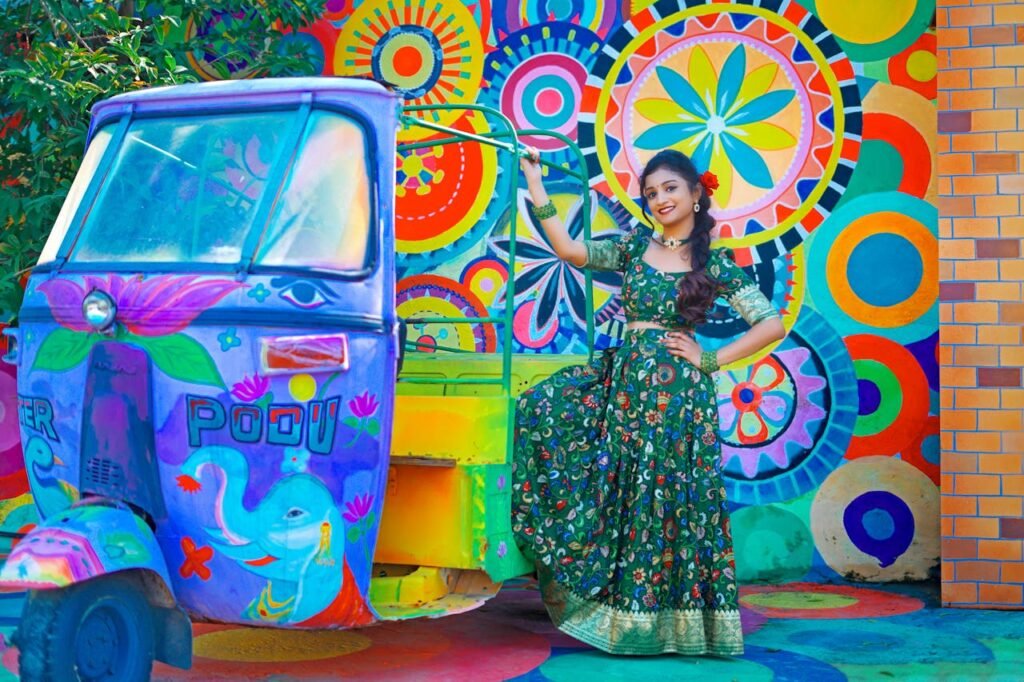
Chaniya Choli is traditionally associated with Gujarat, a state in western India known for its colorful textile traditions and vibrant festivals.
The outfit is deeply connected to Gujarati culture and is especially popular during:
- Navratri
- Garba celebrations
- Dandiya Raas
- Traditional weddings
- Community festivals
Different regions within Gujarat have their own embroidery techniques and design influences, resulting in a wide variety of Chaniya Choli styles.
Today, however, its popularity extends far beyond Gujarat. It is worn across India and increasingly among South Asian communities in the United States, Canada, the United Kingdom, Australia, and the Middle East.
History and Cultural Significance of Chaniya Choli
The origins of Chaniya Choli can be traced back centuries to rural Gujarat.
Historically, women wore variations of the outfit for both practical and cultural reasons. The loose, flowing skirt allowed freedom of movement in hot weather, while decorative embroidery reflected local artistic traditions.
Over generations, artisans developed distinctive techniques including:
- Mirror work
- Kutchi embroidery
- Rabari embroidery
- Appliqué work
- Bead embellishments
These decorative elements transformed everyday clothing into expressions of cultural identity.
Even today, many handcrafted Chaniya Cholis preserve techniques that have been passed down through generations of artisans.
Chaniya Choli vs Lehenga Choli: What’s the Difference?
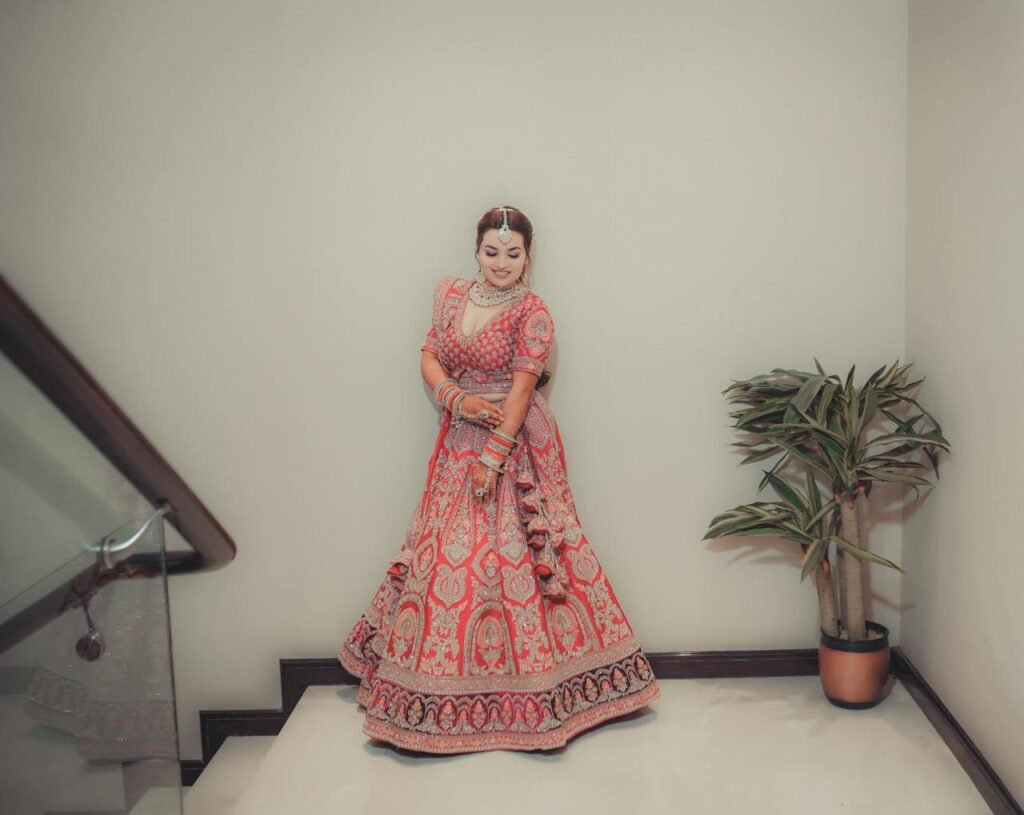
Many shoppers use these terms interchangeably, but they are not exactly the same.
A traditional Chaniya Choli is usually:
- More colorful
- More heavily decorated with mirror work
- Closely linked to Gujarati folk traditions
- Designed for movement and dancing
A Lehenga Choli is generally:
- Broader in regional use
- More common in bridal fashion
- Often designed with luxury fabrics
- Available in both traditional and contemporary styles
Modern fashion has blurred these distinctions, but the cultural roots remain different.
Types of Chaniya Choli
Not all Chaniya Cholis look alike.
Some of the most popular styles include:
Traditional Mirror Work Chaniya Choli
Known for reflective mirror embellishments that catch light beautifully during Garba nights.
Kutchi Embroidered Chaniya Choli
Inspired by Kutch region craftsmanship, featuring intricate geometric patterns.
Printed Chaniya Choli
A lighter, more affordable option suitable for casual festive wear.
Designer Chaniya Choli
Modern interpretations featuring contemporary cuts and premium fabrics.
Bridal Chaniya Choli
Heavily embellished styles worn during weddings and special ceremonies.
Fabrics Commonly Used in Chaniya Choli
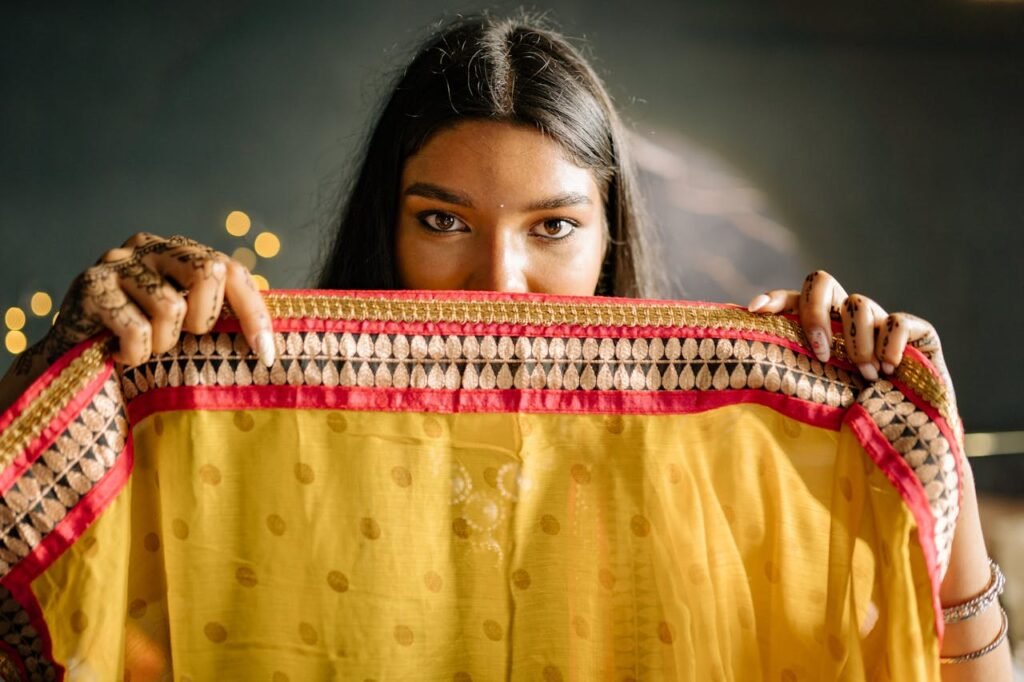
Fabric selection significantly affects comfort, appearance, and movement.
Popular fabrics include:
- Cotton
- Rayon
- Silk
- Georgette
- Organza
- Velvet
Cotton and rayon are often preferred for Garba because they remain comfortable during long hours of dancing.
Silk and velvet are generally reserved for formal occasions and weddings.
Mirror Work and Embroidery in Chaniya Choli
One of the defining features of Gujarati Chaniya Choli is its decorative craftsmanship.
Traditional artisans often incorporate:
- Mirror work
- Thread embroidery
- Sequins
- Beads
- Shell embellishments
- Appliqué designs
Mirror work has practical historical roots as well. Some communities believed reflective surfaces helped ward off negative energy while adding beauty to garments.
Today, mirror work remains one of the most recognizable characteristics of authentic Gujarati fashion.
How to Wear Chaniya Choli in Different Styles
One reason Chaniya Choli remains popular is its versatility.
You can style the same outfit in multiple ways depending on the event, season, and personal preference.
Traditional styling emphasizes cultural authenticity, while contemporary styling focuses on comfort and modern aesthetics.
Experimenting with jewelry, hairstyles, footwear, and dupatta draping can dramatically change the overall look.
How to Wear Chaniya Choli Dupatta for Garba
Garba involves constant movement, so dupatta styling must be both secure and attractive.
Popular Garba draping styles include:
- One shoulder drape
- Cross-body drape
- Waist-tucked drape
- Front pleated drape
The goal is to prevent the dupatta from interfering with movement while maintaining a festive appearance.
Many dancers prefer pinning the dupatta strategically for added security during energetic performances
How to Drape Dupatta on Chaniya Choli
The dupatta can completely transform the appearance of a Chaniya Choli.
Common draping styles include:
- Classic shoulder drape
- Gujarati pallu style
- Cape-style drape
- Double-sided drape
- Front-open drape
The best choice depends on the embroidery, event type, and desired level of formality.
A heavily embroidered dupatta often looks best when allowed to remain visible rather than tightly folded.
How to Wear Saree in Chaniya Choli Style
A growing fashion trend involves transforming a saree-inspired look into a Chaniya Choli silhouette.
This can be achieved by:
- Using a pre-stitched drape
- Pairing a saree with a crop blouse
- Creating skirt-like pleats
- Styling the pallu as a dupatta
The result combines the elegance of a saree with the movement and comfort of a Chaniya Choli.
This fusion approach is especially popular among younger women looking for something unique during festivals and weddings
How to Choose Chaniya Choli for Your Body Type
The right silhouette can make a significant difference.
For petite frames:
- Medium flare works best.
For taller women:
- Full-flare designs create balance.
For curvier body types:
- Structured fabrics and well-fitted blouses provide shape.
For athletic builds:
- Layered skirts can add volume and softness.
Comfort should always be prioritized alongside aesthetics.
Chaniya Choli for Navratri and Garba
Navratri is perhaps the most important season for Chaniya Choli.
During the nine nights of celebration, women often wear different outfits each evening, embracing colorful designs and traditional craftsmanship.
The combination of music, dance, and vibrant fashion has helped Chaniya Choli become internationally recognized as a symbol of Gujarati culture.
How to Make Chaniya Choli from Saree
Repurposing an old saree into a Chaniya Choli is both economical and sustainable.
Many people choose this option because:
- Older sarees often contain rich fabrics.
- Sentimental value can be preserved.
- Customization is easier.
- Costs may be lower than buying a new outfit.
A single saree can often provide enough material for a skirt, blouse, and matching dupatta depending on the design.
Where to Buy Chaniya Choli Online
Today, shoppers have access to a wide range of online options.
When shopping online, pay attention to:
- Fabric details
- Size charts
- Embroidery quality
- Customer reviews
- Return policies
Many South Asian fashion platforms now curate collections from multiple brands, making it easier to compare styles, craftsmanship, and pricing before purchasing
How to Care for Chaniya Choli
Proper care can significantly extend the life of your outfit.
General recommendations include:
- Dry clean heavily embroidered pieces.
- Store flat when possible.
- Avoid direct sunlight for long periods.
- Protect mirror work from excessive friction.
With proper maintenance, a quality Chaniya Choli can remain beautiful for years.
Frequently Asked Questions About Chaniya Choli
Is Chaniya Choli only worn during Navratri?
No. While Navratri is the most famous occasion associated with Chaniya Choli, the outfit is also worn during weddings, engagement ceremonies, cultural events, festive celebrations, and traditional gatherings throughout the year.
Can non-Gujarati women wear Chaniya Choli?
Absolutely. Chaniya Choli has become a widely appreciated South Asian outfit. Many women wear it for festivals, weddings, and cultural celebrations regardless of their regional background.
What jewelry goes best with Chaniya Choli?
Traditional oxidized silver jewelry, mirror-work accessories, bangles, chandbali earrings, and statement necklaces pair particularly well with Chaniya Choli, especially during Garba events.
Is Chaniya Choli comfortable for dancing?
Yes. In fact, it was traditionally designed with movement in mind. The wide flare of the skirt and breathable fabrics commonly used make it particularly suitable for Garba and Dandiya.
Which fabric is best for Garba nights?
Cotton, rayon, and lightweight blends are generally preferred because they remain comfortable during extended periods of dancing and movement.
Can I wear sneakers with Chaniya Choli?
Modern styling trends increasingly incorporate comfortable footwear, including sneakers. While traditional juttis remain popular, many women choose comfort-focused options for long Garba events.
Conclusion
The Chaniya Choli is far more than a festive outfit. It represents centuries of Gujarati craftsmanship, cultural identity, artistic expression, and community celebration.
From traditional mirror-work designs to contemporary fusion styling, it continues to evolve while staying connected to its roots. Whether you’re preparing for Navratri, attending a wedding, or exploring South Asian fashion for the first time, understanding Chaniya Choli helps you appreciate why it remains one of the most beloved traditional outfits in the region.
