
Is Anarkali Suit Indian or Pakistani? The Complete History of the Anarkali Dress
Few outfits in South Asian fashion generate as much curiosity as the Anarkali suit. Ask someone in Lahore about Anarkali, and they might confidently describe it as a timeless Pakistani formal outfit. Ask someone in Delhi, Jaipur, or Lucknow, and you’ll likely hear that it is one of India’s most iconic traditional dresses. Both perspectives are understandable—and both are only partially correct.
The truth is far more fascinating.
The Anarkali suit existed long before the modern nations of India and Pakistan were created. Its roots reach deep into the history of the Mughal Empire, a period that shaped architecture, cuisine, language, art, and fashion across the Indian subcontinent. What we now call an Anarkali suit is the result of centuries of cultural exchange, royal influence, regional adaptation, and modern fashion innovation.
Today, Anarkalis are worn at weddings in Karachi, Eid celebrations in Islamabad, festive gatherings in Delhi, engagement ceremonies in Mumbai, and family events in Dhaka. They are equally loved by women in London, Toronto, Dubai, and New York who want to stay connected to South Asian heritage while embracing contemporary style.
But where did this outfit actually come from? Was Anarkali a real person? Why has the dress remained popular for centuries while countless other fashion trends have disappeared?
This guide explores the complete story of the Anarkali suit—from its legendary origins and Mughal history to its place in modern Pakistani and Indian fashion.
What is an Anarkali Suit?
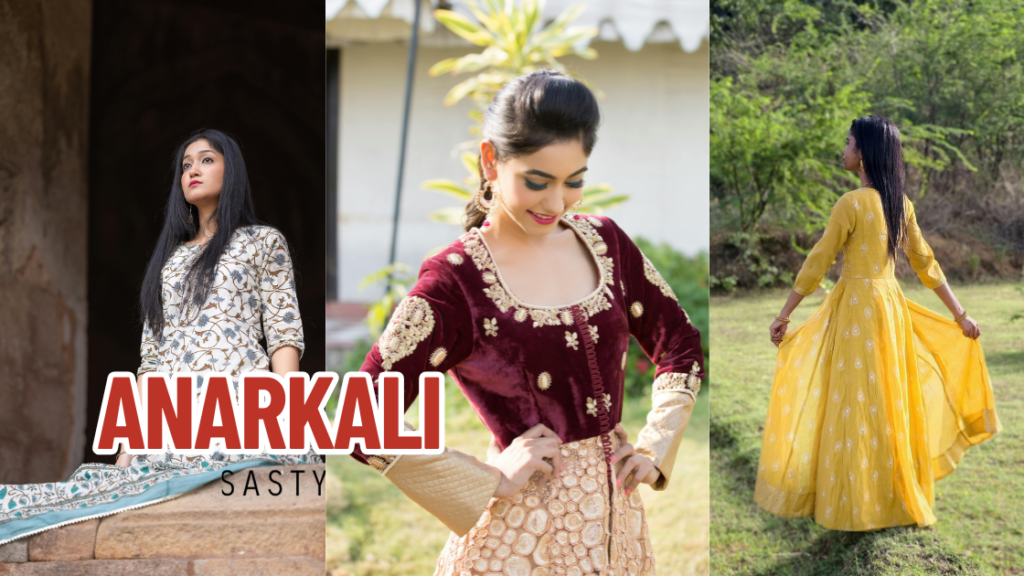
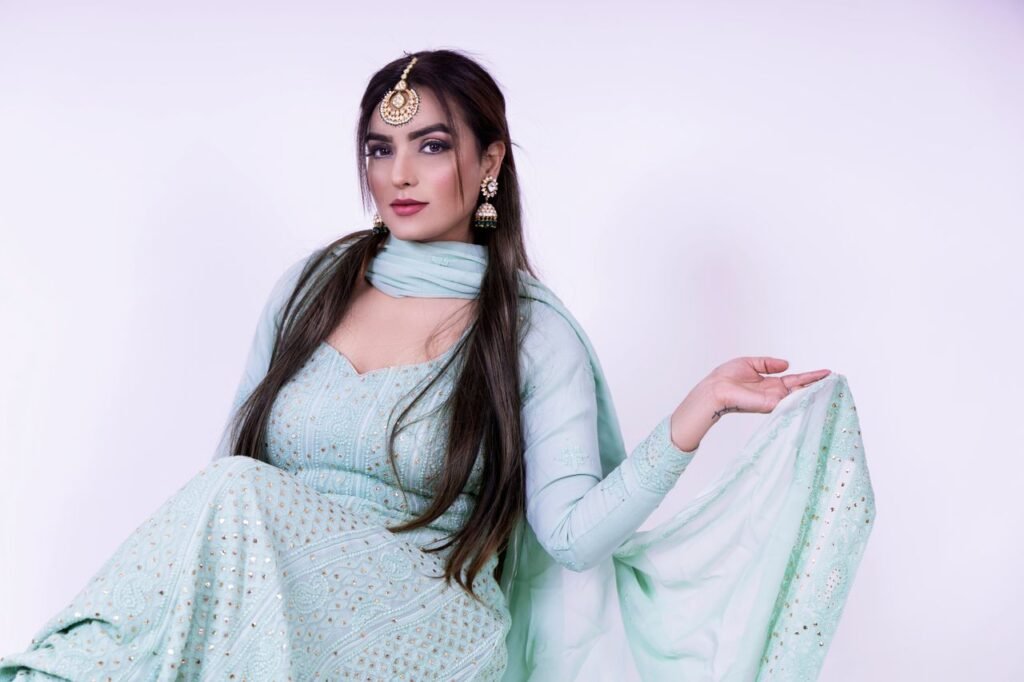
An Anarkali suit is a traditional South Asian outfit known for its fitted upper bodice and dramatically flared lower portion. The silhouette resembles a long frock or gown that gradually widens from the waist or bust, creating graceful movement when worn.
A classic Anarkali outfit usually consists of three pieces:
- A long Anarkali kurta or frock
- Churidar trousers or fitted pants
- A matching dupatta
What distinguishes the Anarkali from other traditional outfits is its elegant structure. Unlike a straight-cut kameez, the Anarkali creates volume and flow through panels, gathers, or circular cuts. The result is a silhouette that feels regal, feminine, and flattering on many body types.
Over time, designers have introduced countless variations. Some Anarkalis are floor-length and resemble gowns. Others feature jackets, capes, layered panels, asymmetrical hemlines, or contemporary necklines. Yet despite these changes, the essence remains the same: a fitted top flowing into a graceful, dramatic flare.
The versatility of the Anarkali is one reason it has survived centuries of changing fashion. It can be styled for weddings, formal dinners, Eid celebrations, engagement ceremonies, festive gatherings, or even casual daytime wear depending on the fabric and embellishments used.
Is Anarkali Suit Indian or Pakistani?
This is perhaps the most searched question about the Anarkali suit, and the answer requires a bit of historical context.
The Anarkali suit is neither exclusively Indian nor exclusively Pakistani.
Its origins date back to the Mughal Empire, which existed centuries before the partition of British India in 1947. At that time, the territories that now form India, Pakistan, and Bangladesh were part of a shared cultural and political landscape.
The fashion traditions of the Mughal courts influenced the entire region. Royal women and noble families wore flowing garments inspired by Persian, Central Asian, and indigenous South Asian clothing traditions. The silhouette that eventually evolved into the modern Anarkali developed during this period.
Because the Anarkali emerged long before modern national borders existed, it belongs to the shared cultural heritage of the Indian subcontinent.
That said, both countries have embraced the outfit in their own ways.
In Pakistan, Anarkalis are especially popular for:
- Eid celebrations
- Formal dinners
- Wedding events
- Luxury pret collections
In India, Anarkalis are commonly worn for:
- Weddings
- Festivals
- Bollywood-inspired fashion
- Cultural celebrations
The debate often arises because modern consumers associate the outfit with current fashion trends rather than historical origins. In reality, the Anarkali belongs to a much older story that predates both nations.
Who Was Anarkali?
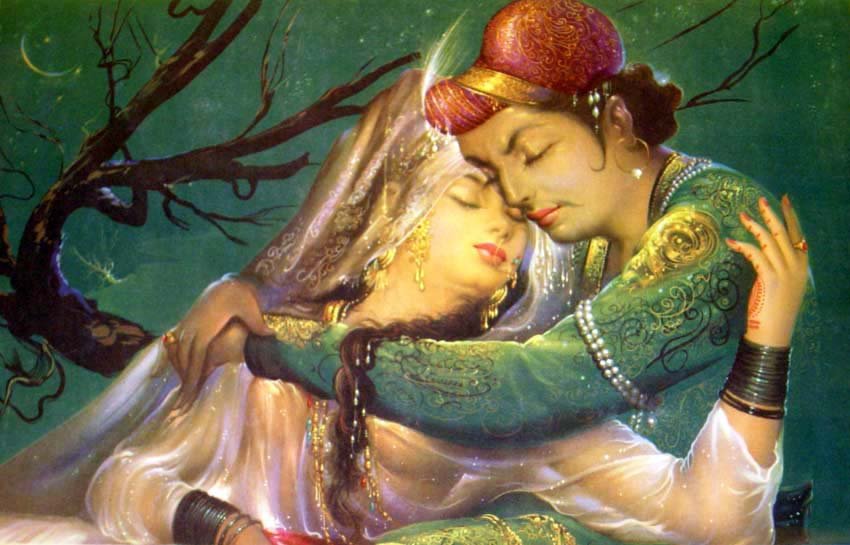
By bazaar art – httpwww.columbia.eduitcmealacpritchett00routesdata1600_1699jahangiranarkalianarkali.html, Public Domain, httpscommons.wikimedia.orgwindex.phpcurid=19174000
One of the most intriguing aspects of the Anarkali dress is the mystery surrounding the woman whose name it carries.
According to popular legend, Anarkali was a beautiful courtesan or dancer in the court of Mughal Emperor Akbar during the sixteenth century. Her name, often translated as “pomegranate blossom,” evokes images of grace and beauty.
The story claims that Prince Salim—who later became Emperor Jahangir—fell deeply in love with her. Their relationship supposedly angered Emperor Akbar, who viewed it as inappropriate for a future ruler.
What happened next depends on which version of the story you hear.
Some accounts suggest that Anarkali was imprisoned alive within a wall as punishment. Others claim she was secretly allowed to escape. Still others argue that she never existed at all.
The truth is that historians remain divided.
There is limited historical evidence proving that Anarkali was a real individual. While some references and local traditions support the story, many scholars believe the tale has been romanticized over time.
Regardless of historical accuracy, the legend became deeply embedded in South Asian culture and imagination.
The name Anarkali became immortal through literature, theatre, and eventually cinema, transforming from a possible historical figure into a symbol of beauty, romance, and royal elegance.
The Mughal Origins of the Anarkali Dress
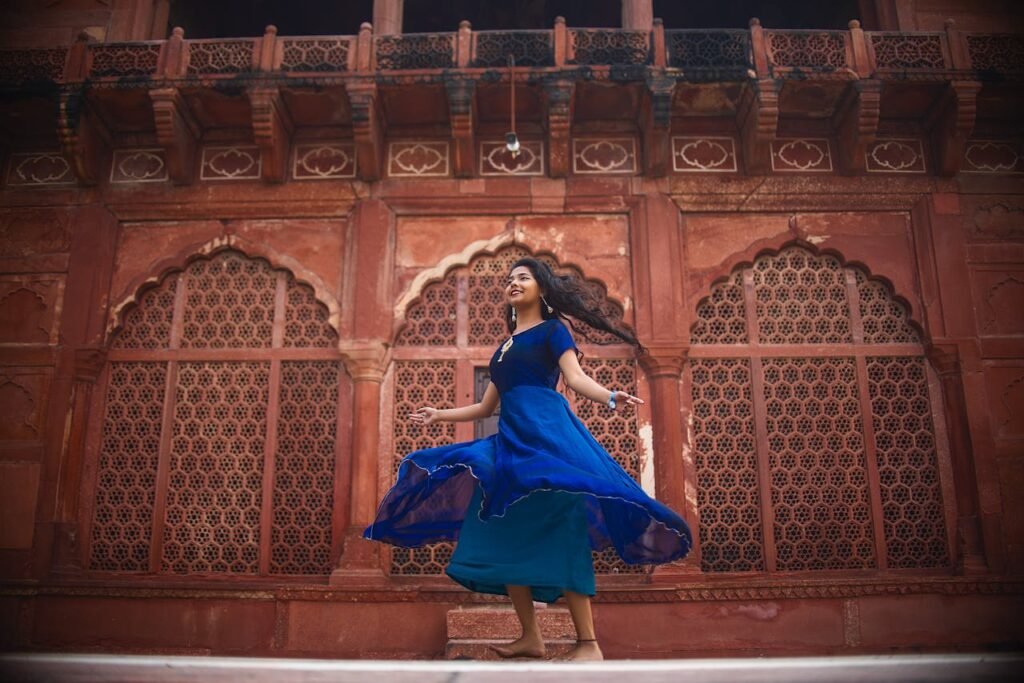
To understand the Anarkali dress, it is essential to understand the Mughal Empire itself.
The Mughals brought strong Persian and Central Asian influences into South Asia. Their courts became centers of art, architecture, literature, and fashion.
Clothing during this period emphasized:
- Rich fabrics
- Layered garments
- Flowing silhouettes
- Intricate embroidery
- Luxurious craftsmanship
Women of royal households often wore long, flowing garments paired with fitted trousers and delicate veils. These styles gradually evolved through generations, combining Persian aesthetics with local South Asian traditions.
The modern Anarkali reflects many of these characteristics. Its fitted bodice and expansive flare echo the elegance associated with Mughal court fashion. Even today, heavily embroidered Anarkalis often feature design elements inspired by Mughal architecture, floral motifs, and historical textile traditions.
Rather than emerging overnight, the Anarkali developed over centuries through cultural exchange and adaptation. It represents a living connection to one of the most influential periods in South Asian history.
How Bollywood Revived the Anarkali Dress
While the Anarkali never completely disappeared, its modern resurgence owes much to cinema.
One film in particular changed everything: Mughal-e-Azam.
Released in 1960, the film retold the legendary romance between Prince Salim and Anarkali. Actress Madhubala’s portrayal of Anarkali became iconic, introducing the story to millions of viewers across South Asia.
The elaborate costumes seen in the film captured the imagination of audiences. Flowing silhouettes, rich embroidery, and royal aesthetics inspired fashion designers for decades afterward.
By the late 1990s and early 2000s, Anarkalis experienced another major revival. Designers began reinterpreting the silhouette for contemporary consumers. Celebrities wore them to weddings, award shows, and festive events, creating renewed demand.
Today, many women who wear Anarkalis may never have seen Mughal-e-Azam, yet the influence of that film remains visible in the way the outfit is perceived—as elegant, romantic, and timeless.
Why Anarkali is Popular in Pakistan
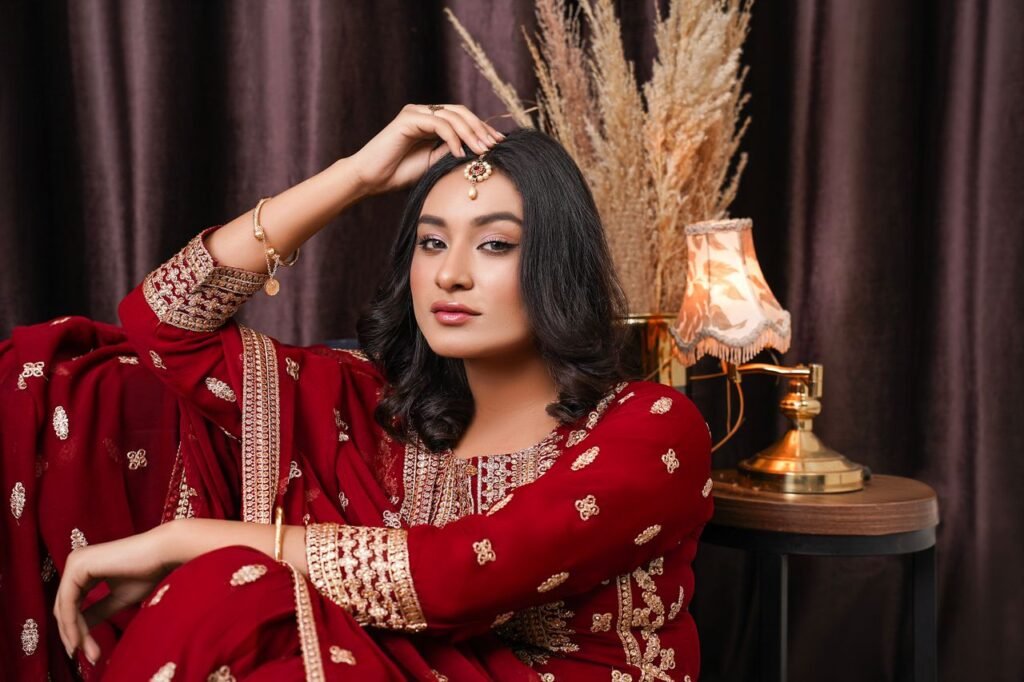
The Anarkali suit enjoys tremendous popularity in Pakistan, where it has become one of the most preferred outfits for formal and festive occasions.
Several factors contribute to its widespread appeal.
Cultural Connection
Pakistan inherited much of its fashion heritage from Mughal traditions. Since the Anarkali silhouette reflects royal Mughal aesthetics, it naturally resonates with Pakistani cultural identity.
Cities such as Lahore, Islamabad, Karachi, Faisalabad, and Rawalpindi have long embraced traditional formal wear, and the Anarkali remains a staple choice for women of all ages.
Perfect for Festive Occasions
Pakistani women frequently choose Anarkalis for:
- Eid celebrations
- Mehndi ceremonies
- Nikkah events
- Family gatherings
- Formal dinners
- Engagement parties
The flowing silhouette offers elegance without sacrificing comfort, making it suitable for long celebrations.
Designer Influence
Pakistan’s leading fashion designers have played a major role in keeping the Anarkali relevant.
Luxury brands regularly introduce:
- Heavily embroidered Anarkalis
- Floor-length formal Anarkalis
- Organza and chiffon Anarkalis
- Contemporary fusion versions
These collections help maintain the outfit’s status as a timeless fashion choice.
Modest Yet Stylish
Many women appreciate that Anarkalis provide coverage while still looking glamorous. The long flowing structure aligns well with modest fashion preferences without appearing overly conservative.
Why Anarkali is Popular in India
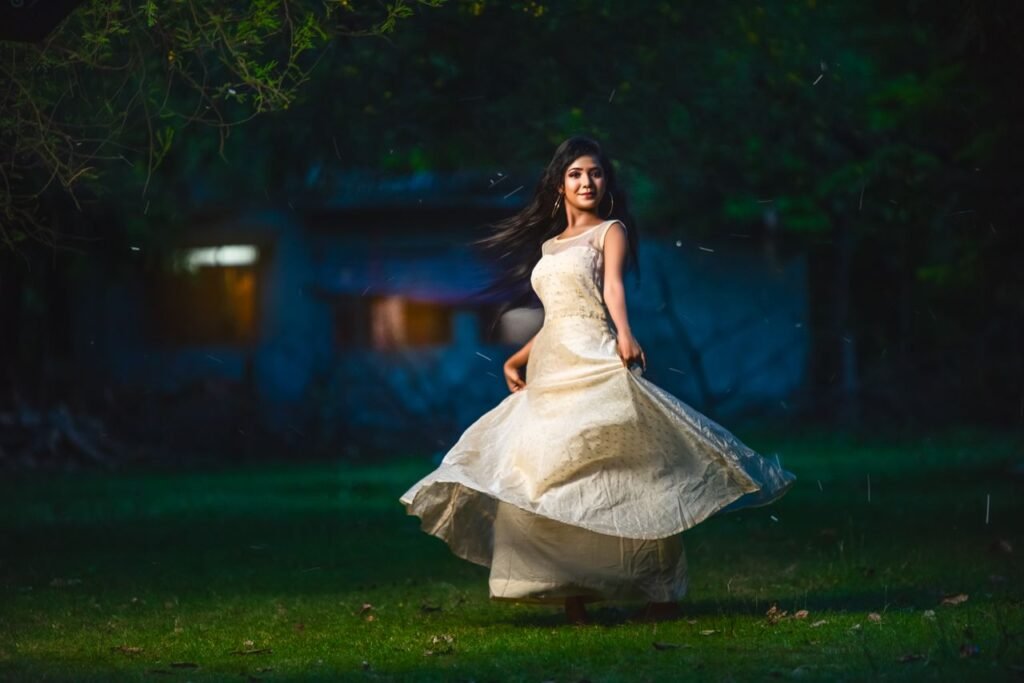
India’s love affair with the Anarkali is equally strong.
From Bollywood celebrities to wedding guests, the Anarkali remains one of the country’s most beloved traditional outfits.
Bollywood Influence
No discussion of Anarkali popularity in India is complete without mentioning Bollywood.
Films, television dramas, celebrity weddings, and fashion shows have continuously promoted the silhouette.
Actresses frequently wear Anarkalis during:
- Movie promotions
- Wedding celebrations
- Festival events
- Award ceremonies
As a result, the outfit remains highly visible in mainstream fashion.
Ideal for Indian Weddings
Indian weddings often involve multiple functions, each requiring different outfits.
Anarkalis work perfectly for:
- Sangeet ceremonies
- Engagement parties
- Reception events
- Family functions
- Festive celebrations
Their regal appearance makes them suitable for grand occasions without being as heavy as traditional bridal lehengas.
Regional Adaptability
The Anarkali easily adapts to different regional styles.
For example:
- Lucknow favors chikankari Anarkalis.
- Rajasthan embraces vibrant colors and mirror work.
- Punjab incorporates rich embroidery.
- Hyderabad often features Mughal-inspired detailing.
This flexibility helps explain its enduring popularity across India’s diverse regions.
Pakistani vs Indian Anarkali Styles
Although both countries share the same historical roots, modern fashion trends have created distinct differences.
Pakistani Anarkalis
Pakistani Anarkalis generally emphasize:
- Softer color palettes
- Longer silhouettes
- Elegant embroidery
- Minimalist luxury
- Modest cuts
Popular colors include:
- Ivory
- Beige
- Pastels
- Emerald green
- Maroon
The overall look tends to be graceful and understated.
Indian Anarkalis
Indian Anarkalis often feature:
- Brighter colors
- Heavy embellishments
- Bold embroidery
- Contemporary experimentation
- Statement fashion elements
Popular colors include:
- Red
- Royal blue
- Mustard
- Magenta
- Orange
Indian designers frequently experiment with dramatic sleeves, layered flares, and modern cuts.
Which Style Is Better?
Neither style is objectively better.
Pakistani Anarkalis often appeal to those seeking refined elegance, while Indian Anarkalis attract those who enjoy vibrant colors and elaborate detailing.
The choice ultimately comes down to personal preference.
Types of Anarkali Suits
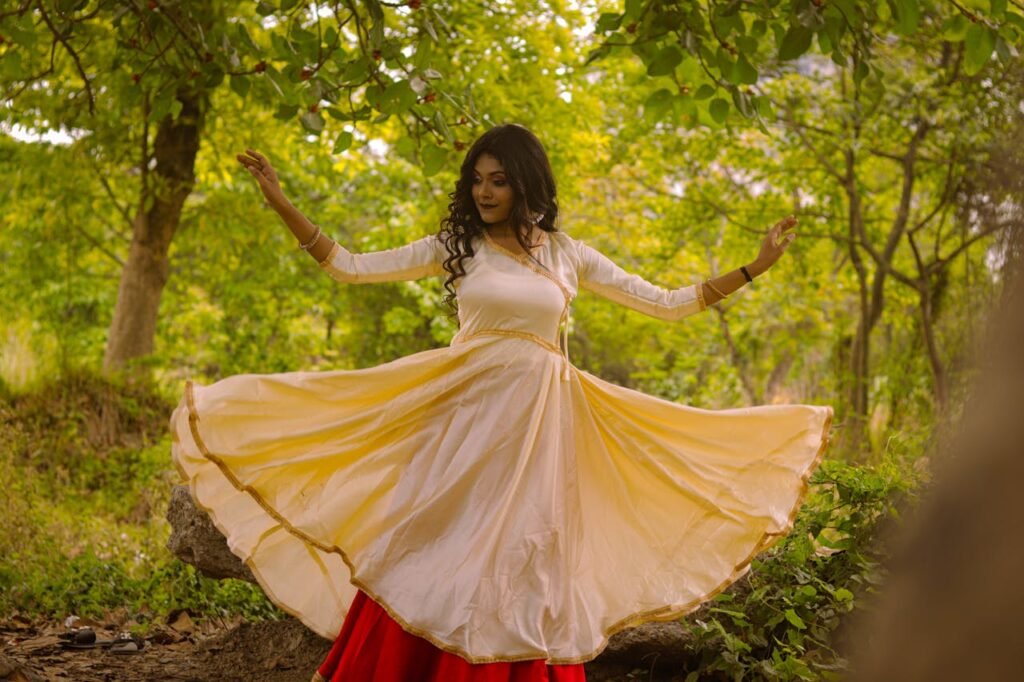
Over time, designers have created numerous variations of the classic Anarkali.
Floor-Length Anarkali
This version extends all the way to the floor and resembles a gown.
Best for:
- Weddings
- Receptions
- Formal events
Jacket Style Anarkali
Features a decorative jacket layered over the Anarkali.
Best for:
- Fashion-forward looks
- Winter events
- Engagement functions
Panel Anarkali
Made using multiple fabric panels that create dramatic flare.
Best for:
- Formal occasions
- Traditional events
Layered Anarkali
Contains multiple layers that add volume and movement.
Best for:
- Wedding functions
- Designer fashion looks
Angrakha Anarkali
Inspired by traditional Mughal wrap-style garments.
Best for:
- Cultural events
- Traditional celebrations
Cape Style Anarkali
Includes a cape or sheer overlay.
Best for:
- Modern fashion enthusiasts
- Contemporary wedding guests
Printed Anarkali
Features digital, floral, or block prints instead of heavy embroidery.
Best for:
- Casual wear
- Daytime events
- Summer gatherings
Fabrics Used in Anarkalis
The fabric significantly affects the outfit’s appearance and comfort.
Georgette
Popular because it:
- Flows beautifully
- Feels lightweight
- Creates graceful movement
Chiffon
Ideal for:
- Summer events
- Layered designs
- Elegant draping
Silk
A luxurious choice commonly used in:
- Bridal wear
- Formal occasions
- Designer collections
Velvet
Perfect for winter weddings because it adds richness and warmth.
Net Fabric
Often used in:
- Party wear
- Reception outfits
- Layered Anarkalis
Cotton
Best for:
- Daily wear
- Casual functions
- Warm climates
Organza
Provides structure while maintaining a delicate appearance.
Increasingly popular in contemporary luxury collections.
Bridal Anarkalis
Bridal fashion has evolved dramatically, and Anarkalis have become a strong alternative to lehengas.
Why Brides Choose Anarkalis
Many brides prefer Anarkalis because they:
- Feel comfortable
- Allow easier movement
- Create a regal appearance
- Offer a unique bridal look
Popular Bridal Features
Bridal Anarkalis often include:
- Zardozi embroidery
- Sequins
- Hand embellishments
- Stone work
- Pearl detailing
- Long embellished dupattas
Best Bridal Colors
Traditional choices include:
- Red
- Maroon
- Gold
- Deep green
Modern brides increasingly choose:
- Ivory
- Champagne
- Blush pink
- Pastel peach
How to Style an Anarkali
Styling can dramatically change the overall impact of an outfit.
Jewelry
Pair with:
- Chandbali earrings
- Jhumkas
- Kundan sets
- Pearl jewelry
Footwear
Popular choices include:
- Khussas
- Mojaris
- Embellished heels
- Traditional sandals
Hairstyles
Anarkalis work beautifully with:
- Soft curls
- Low buns
- Braided styles
- Sleek ponytails
Dupatta Styling
Try:
- One-sided draping
- Front-open draping
- Shoulder draping
- Belted styling
Body Type Guide: Choosing the Right Anarkali
One reason for the Anarkali’s popularity is its ability to flatter various body shapes.
Pear-Shaped Body
Choose:
- Detailed necklines
- Structured shoulders
- Moderate flare
Apple-Shaped Body
Choose:
- Empire waist designs
- Vertical embroidery
- Lightweight fabrics
Hourglass Body
Choose:
- Fitted bodices
- Defined waistlines
- Balanced flare
Petite Body Type
Choose:
- Smaller prints
- Vertical details
- Moderate flare
Avoid excessively voluminous styles.
Tall Body Type
Almost all Anarkali styles work well.
Floor-length designs are especially flattering.
Plus-Size Body Type
Choose:
- Flowing fabrics
- Strategic embroidery placement
- Darker solid colors if preferred
Avoid overly stiff fabrics that add unnecessary volume.
Modern Trends in Anarkali Fashion
The Anarkali continues to evolve.
Indo-Western Fusion
Designers increasingly blend traditional silhouettes with Western influences.
Examples include:
- Cape Anarkalis
- Belted Anarkalis
- Jacket Anarkalis
- Gown-style Anarkalis
Sustainable Fashion
Eco-conscious consumers are embracing:
- Handloom fabrics
- Natural dyes
- Artisan-made embroidery
Minimalist Luxury
Many modern buyers now prefer:
- Clean silhouettes
- Elegant tailoring
- Subtle embellishments
Pastel Color Trends
Soft shades remain extremely popular, including:
- Powder blue
- Mint green
- Lavender
- Blush pink
- Ivory
Statement Sleeves
Dramatic sleeves continue gaining popularity:
- Bell sleeves
- Puff sleeves
- Cape sleeves
- Sheer sleeves
Frequently Asked Questions (FAQs)
Is the Anarkali suit Pakistani?
No. The Anarkali predates Pakistan and India as modern nations. It originated during the Mughal era and belongs to the shared cultural heritage of South Asia.
Is the Anarkali suit Indian?
The Anarkali is widely worn in India, but its origins go back to the Mughal period before modern national borders existed.
Was Anarkali a real person?
Historians disagree. Some believe she existed, while others view her as a legendary figure whose story became popular through literature and film.
Why is it called an Anarkali suit?
The outfit is believed to be named after the legendary court dancer Anarkali, who was associated with the Mughal court.
Can Anarkalis be worn casually?
Yes. Printed cotton and lightweight Anarkalis are popular for everyday wear and casual gatherings.
Are Anarkalis suitable for weddings?
Absolutely. They are among the most popular outfits for wedding guests, bridesmaids, and even brides.
Which fabric is best for an Anarkali?
It depends on the occasion. Georgette and chiffon are excellent for comfort, while silk and velvet are ideal for luxury occasions.
Are Anarkalis still in fashion?
Yes. They remain one of the most enduring and versatile styles in South Asian fashion.
What is the difference between an Anarkali and a regular salwar kameez?
An Anarkali features a fitted bodice with a dramatically flared lower section, while a regular salwar kameez typically has a straighter silhouette.
Which country wears Anarkalis the most?
Anarkalis are widely worn across Pakistan, India, Bangladesh, and South Asian communities around the world.
Conclusion
So, is the Anarkali suit Indian or Pakistani?
The most accurate answer is that it is both and neither exclusively.
The Anarkali originated during the Mughal era, centuries before the creation of modern South Asian nations. Its roots lie in a shared cultural history that spans present-day India, Pakistan, and Bangladesh. Over time, each country embraced the silhouette and adapted it to local tastes, fashion trends, and traditions.
Today, the Anarkali remains one of the most recognizable and beloved outfits in South Asian fashion. Its combination of elegance, comfort, historical significance, and versatility has allowed it to survive generations of changing trends. Whether worn at a wedding in Lahore, a festival in Delhi, an engagement ceremony in Dhaka, or a cultural celebration abroad, the Anarkali continues to symbolize timeless beauty and royal heritage.
More than just a dress, the Anarkali is a living reminder of the interconnected history and artistic traditions of the entire Indian subcontinent.
