
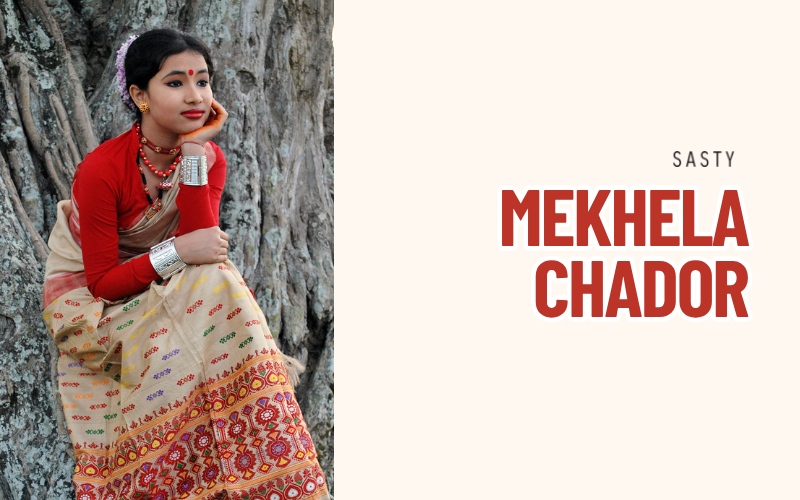
Among the many traditional outfits of South Asia, few are as graceful, distinctive, and culturally significant as the Mekhela Chador. Instantly recognizable for its elegant drape and intricate weaving traditions, the Mekhela Chador is much more than a garment—it is a symbol of Assamese identity, craftsmanship, and heritage.
For generations, women in Assam have worn the Mekhela Chador during festivals, weddings, religious ceremonies, family gatherings, and cultural celebrations. While the outfit has deep historical roots, modern designers have successfully reimagined it for contemporary fashion, allowing younger generations to embrace tradition without sacrificing personal style.
Today, the Mekhela Chador is admired not only across India but also by fashion enthusiasts worldwide who appreciate handcrafted textiles and cultural fashion. Whether woven from luxurious Muga silk, soft Pat silk, or practical cotton, every Mekhela Chador tells a story of Assamese artistry.
This guide explores everything about the Mekhela Chador, including its history, cultural significance, fabrics, draping methods, styling tips, and modern trends.
What is a Mekhela Chador?
A Mekhela Chador is the traditional attire worn by women in Assam, a state in northeastern India. Unlike a saree, which uses a single long piece of fabric, the Mekhela Chador consists of two primary pieces that are draped separately.
The lower garment is called the Mekhela, a cylindrical piece of fabric wrapped around the waist and folded into pleats at the front.
The upper garment is known as the Chador, which is draped over the upper body and tucked elegantly to create a graceful silhouette.
A fitted blouse is worn underneath, completing the outfit.
The combination creates an appearance that is both sophisticated and comfortable, making the Mekhela Chador suitable for a wide range of occasions.
Mekhela Chador Belongs to Which State?
The Mekhela Chador originates from Assam, one of India’s most culturally rich states.
Assam has a long tradition of textile production, particularly silk weaving. The region is globally renowned for producing Muga silk, a unique golden silk found only in Assam.
Over centuries, the Mekhela Chador became closely associated with Assamese culture and identity. Today, it remains one of the most important traditional garments of the state and is proudly worn during major celebrations and cultural events.
Although it is strongly linked to Assam, the outfit has gained popularity in other parts of India due to its elegance and unique aesthetic
History of the Mekhela Chador
The origins of the Mekhela Chador can be traced back several centuries to the indigenous communities of Assam.
Traditional weaving has always played a central role in Assamese society. Historically, weaving was not merely a profession but a household skill passed down through generations. Many Assamese women learned weaving from an early age and contributed to the creation of family garments.
Ancient motifs inspired by nature, animals, flowers, and local folklore became important design elements within Assamese textiles.
Over time, the Mekhela Chador evolved into a symbol of social identity, cultural pride, and craftsmanship. Royal households often commissioned elaborate silk versions featuring intricate handwoven patterns and decorative borders.
Today, despite modernization and changing fashion trends, the Mekhela Chador remains one of the most respected traditional garments in India.
Why is Mekhela Chador So Popular?
The enduring popularity of the Mekhela Chador can be attributed to several factors.
First, it offers a unique balance between elegance and comfort. Unlike some traditional garments that require extensive draping techniques, the Mekhela Chador provides structure while remaining relatively manageable to wear.
Second, the outfit showcases Assam’s extraordinary textile heritage. The intricate weaving, natural silk production, and regional motifs make each piece a reflection of local craftsmanship.
Finally, the Mekhela Chador has successfully adapted to contemporary fashion. Modern versions incorporate lighter fabrics, contemporary color palettes, and innovative styling while preserving traditional elements.
Parts of a Mekhela Chador
Understanding the individual components helps appreciate the uniqueness of this attire.
Mekhela
The Mekhela forms the lower portion of the outfit. It is wrapped around the waist and folded into pleats at the front.
Unlike a saree, the pleats are not tucked repeatedly. Instead, the garment maintains a structured shape that creates an elegant silhouette.
Chador
The Chador forms the upper draped portion. It is wrapped around the torso and arranged over the shoulder in a graceful manner.
The Chador often showcases the most elaborate weaving and decorative work.
Blouse
A fitted blouse is worn underneath and complements the colors and motifs of the Mekhela Chador.
Types of Mekhela Chador
Different fabrics and weaving traditions have resulted in several distinct types.
Muga Silk Mekhela Chador
Considered the most prestigious variety, Muga silk is famous for its natural golden sheen and exceptional durability.
Pat Silk Mekhela Chador
Pat silk offers a smoother texture and brighter appearance, making it a popular choice for festive occasions.
Eri Silk Mekhela Chador
Known for its soft feel and eco-friendly production process, Eri silk is increasingly popular among sustainable fashion enthusiasts.
Cotton Mekhela Chador
Lightweight and breathable, cotton versions are ideal for everyday wear and warmer climates.
How to Wear a Mekhela Chador
One of the most common questions from first-time wearers is how to wear the outfit correctly.
The process begins by wrapping the Mekhela around the waist and securing it comfortably. The front pleats are then arranged neatly to create the characteristic silhouette.
The blouse is worn underneath before draping the Chador around the upper body.
The Chador is wrapped elegantly around the torso and placed over one shoulder, creating a balanced and graceful appearance.
Although the process may seem complicated initially, most women become comfortable with it after a few attempts.
How to Drape Mekhela Chador Step by Step
Step 1
Wear the blouse and underskirt if desired.
Step 2
Wrap the Mekhela around your waist and secure it comfortably.
Step 3
Create neat pleats at the front.
Step 4
Tuck and adjust the Mekhela for balance and movement.
Step 5
Take the Chador and wrap it around the upper body.
Step 6
Bring one end over the shoulder.
Step 7
Arrange the folds neatly and secure with pins if needed.
Step 8
Complete the look with jewelry and accessories.
How to Make a Mekhela Chador
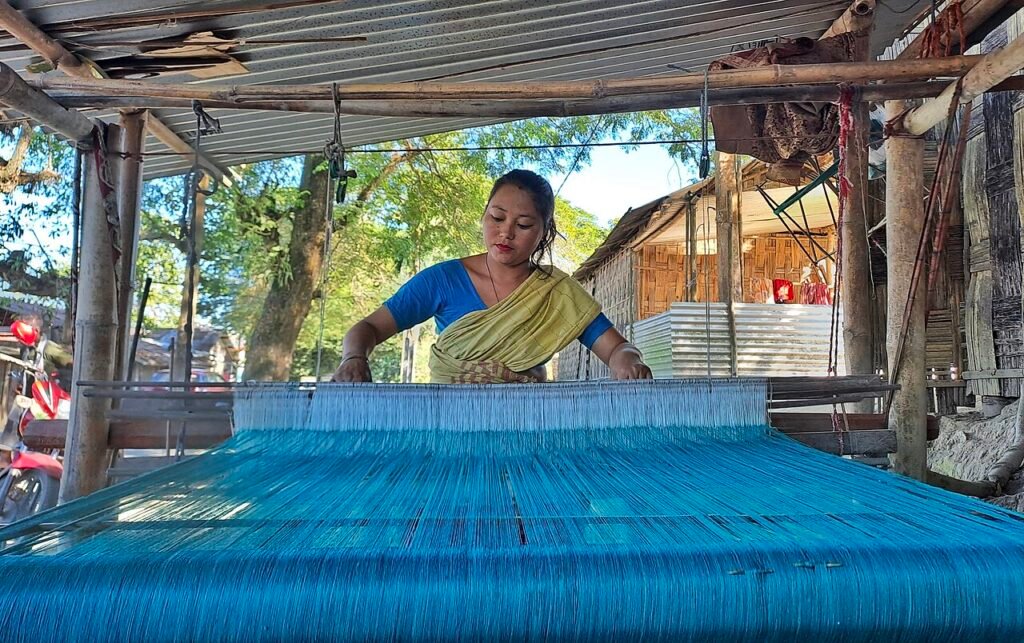
Traditionally, Mekhela Chadors are handwoven on looms by skilled artisans.
The process begins with preparing silk or cotton yarn. The yarn is dyed if necessary and carefully arranged on the loom.
Artisans then weave the fabric while incorporating decorative motifs and borders directly into the textile.
Depending on the complexity of the design, creating a handwoven Mekhela Chador can take days or even weeks.
The final garment is cut and finished into separate Mekhela and Chador pieces before being prepared for wear.
Fabrics Used in Mekhela Chador
The beauty of a Mekhela Chador depends significantly on its fabric.
Muga silk remains the most prestigious due to its natural golden color and durability.
Pat silk is prized for its luxurious texture and vibrant appearance.
Eri silk offers softness and sustainability.
Cotton versions provide practicality and comfort for daily use.
Each fabric contributes a unique character to the finished garment.
Mekhela Chador for Weddings
Bridal Mekhela Chadors hold a special place in Assamese wedding traditions.
Many brides choose richly woven Muga silk pieces featuring elaborate motifs and traditional craftsmanship.
Gold jewelry is often paired with the outfit, complementing the natural sheen of Assamese silk.
The result is a bridal look that feels both regal and deeply connected to cultural heritage.
Modern Mekhela Chador Trends
Contemporary designers have introduced numerous innovations while preserving traditional aesthetics.
Popular modern trends include:
- Pastel color palettes
- Minimalist motifs
- Lightweight fabrics
- Fusion blouses
- Contemporary draping styles
- Sustainable weaving techniques
These innovations help younger generations embrace the Mekhela Chador while maintaining cultural authenticity.
How to Style Mekhela Chador
Accessories play an important role in completing the look.
Popular styling choices include:
- Traditional Assamese jewelry
- Gold earrings
- Statement necklaces
- Elegant bangles
- Decorative hair accessories
Modern wearers often experiment with designer blouses, belts, and contemporary jewelry for a fusion-inspired appearance.
Where to Wear a Mekhela Chador
The versatility of the Mekhela Chador makes it suitable for numerous occasions.
It is commonly worn for:
- Weddings
- Engagement ceremonies
- Bihu festivals
- Religious celebrations
- Cultural events
- Formal gatherings
- Family functions
Depending on the fabric and styling, it can be adapted for both traditional and contemporary settings.
Frequently Asked Questions About Mekhela Chador
Is Mekhela Chador a saree?
No. While it may resemble a saree at first glance, the Mekhela Chador consists of two separate pieces and follows a different draping method.
Which state is famous for Mekhela Chador?
Assam is the state most closely associated with the Mekhela Chador.
What is the best fabric for a Mekhela Chador?
Muga silk is considered the most prestigious, though Pat silk, Eri silk, and cotton are also popular choices.
Can beginners wear a Mekhela Chador?
Yes. With a little practice and proper guidance, beginners can learn to drape and wear the outfit comfortably.
Is Mekhela Chador suitable for weddings?
Absolutely. Bridal Mekhela Chadors are among the most celebrated traditional wedding outfits in Assam.
How long does it take to weave a handwoven Mekhela Chador?
Depending on the complexity of the design, the weaving process can take anywhere from several days to several weeks.
Conclusion
The Mekhela Chador is far more than a traditional outfit. It represents centuries of Assamese craftsmanship, cultural identity, and artistic excellence. From handwoven silk masterpieces to contemporary fashion adaptations, the garment continues to evolve while preserving its deep connection to heritage.
Whether you are exploring Assamese culture, attending a wedding, or simply appreciating traditional textiles, the Mekhela Chador stands as one of South Asia’s most elegant and enduring forms of dress.
