
30 Popular Indian Dresses Names & Types for Women
Indian fashion is not built around just one dress or one tradition. It is a living wardrobe shaped by region, climate, religion, festivals, and now global lifestyles. In 2026, Indian dresses are worn not only in Delhi, Mumbai, or Kolkata, but also in London, Toronto, Dubai, New York, and Sydney.
This guide shares a complete, updated Indian fashion dresses name list, explaining the types, uses, and modern adaptations of each style. Whether you are shopping online, planning a wedding, attending festivals, or simply learning the names of Indian dresses, this list helps you understand what each outfit actually means in real life.
What “Fashion Indian Dresses” Means in 2026
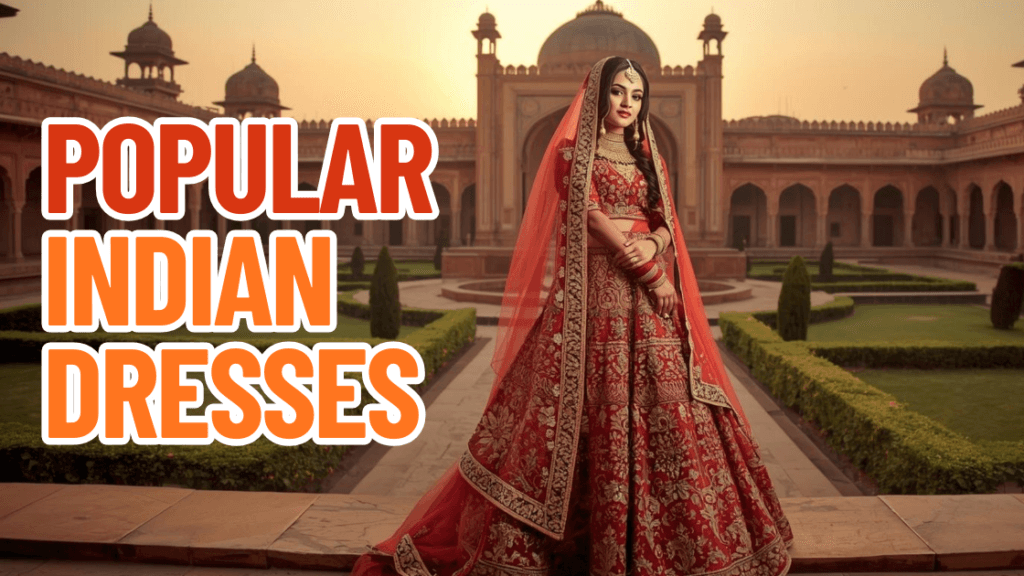
In 2026, Indian dresses are no longer limited to “traditional only” or “occasion wear only.”
Today’s Indian fashion includes:
An Indian dress can now be:
That flexibility defines modern Indian fashion.
30 Indian Dresses Names, Types, and Their Uses in 2026
Below is a detailed list of popular Indian dresses, including classic, regional, festive, and modern styles. This list includes 30+ names to fully cover search intent.
1. Saree
The saree is the quintessential Indian garment, consisting of five to nine yards of fabric draped over the body. It is traditionally paired with a fitted blouse and a petticoat, with draping styles that vary significantly by region.
Modern versions now include ready-to-wear “zip-up” sarees and pre-stitched pleats. These are often styled with contemporary accessories like belts or blazers for a polished fusion look.
2. Lehenga Choli
This three-piece outfit features a voluminous skirt (lehenga), a fitted blouse (choli), and a decorative scarf (dupatta). It is the premier choice for weddings and grand celebrations, typically featuring heavy embroidery or mirror work.
Current trends favor lighter fabrics like organza and georgette to make the skirt easier to carry. Many women now mix-and-match the pieces, pairing the lehenga skirt with a simple white shirt for a modern twist.
3. Salwar Kameez
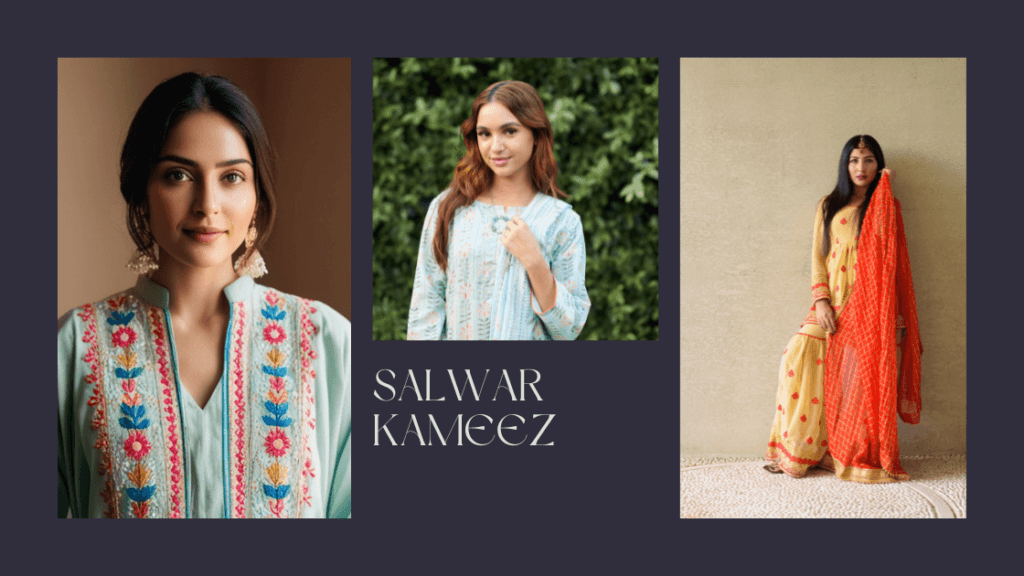
This iconic duo consists of a tunic (kameez) and loose-fitting trousers (salwar) that taper at the ankle. It is loved across the Indian subcontinent for its extreme comfort, modesty, and ease of movement.
Today’s designs often lean toward sleek, straight cuts with minimal embellishment. It remains a daily staple for office settings, college wear, and casual family outings.
4. Anarkali Suit
Named after a legendary Mughal dancer, the Anarkali features a long, frock-style top that flares beautifully from the waist. It is usually paired with slim-fit churidar pants to create a regal, flowing silhouette.
Modern Anarkalis often skip the dupatta to function more like a floor-length evening gown. Because of its elegant modesty and historical roots, it is a signature style for any brand for muslim woman looking to blend tradition with contemporary grace.
5. Kurti
A Kurti is a shorter version of the kameez, usually ending at the hip or mid-thigh. It is the most versatile piece in an Indian wardrobe, traditionally made from breathable fabrics like cotton, silk, or khadi.
It has become a global favorite when styled with jeans, leggings, or culottes. This makes it the perfect “East-meets-West” garment for students and working professionals alike.
6. Kurta Set
A Kurta Set is a pre-coordinated tunic and trouser pair sold together. Unlike the traditional salwar, these sets often feature modern pant styles like cigarette trousers, tulip pants, or straight-cut bottoms.
Monochrome and printed sets are particularly popular for their “clean” and sophisticated look. They offer an effortless way to look polished for festivals or formal meetings.
7. Sharara Suit
The Sharara is known for its wide-legged trousers that flare out dramatically from the knee. Historically associated with the royal wardrobes of the Awadh region, it carries an air of festive grace and luxury.
It is currently a top choice for pre-wedding events like Mehendi or Haldi. Light fabrics like chiffon and crepe help maintain the volume without making the outfit too heavy for dancing.
8. Gharara
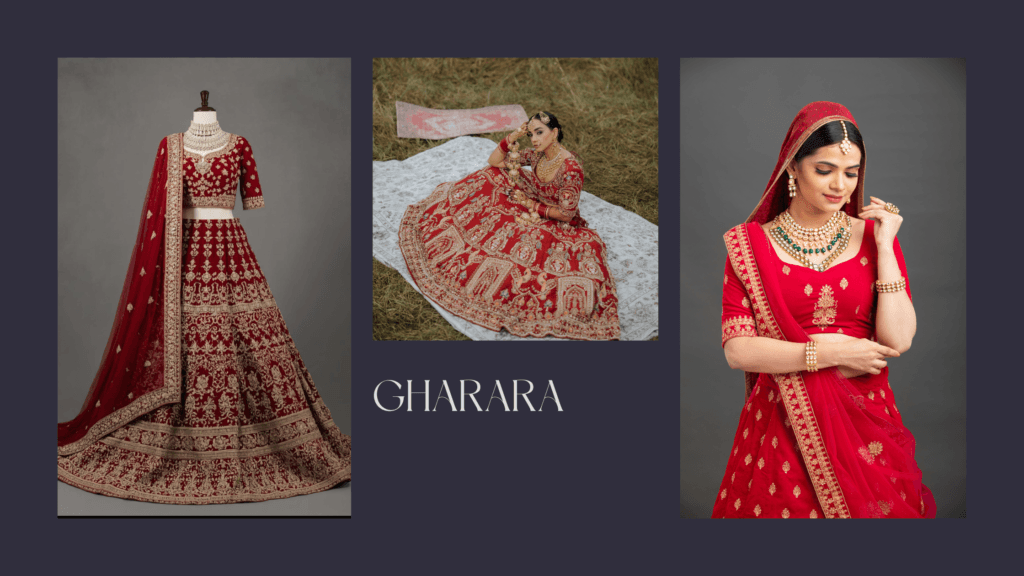
While similar to the sharara, the Gharara is specifically gathered or “ruched” at the knee to create its signature flare. It is a heritage garment with deep roots in traditional aristocratic and bridal fashion.
Modern versions are often paired with shorter kurtas to highlight the dramatic movement of the trousers. It remains a favorite for those seeking a vintage, classic aesthetic for weddings.
9. Palazzo Suit
Palazzo suits feature extremely wide, straight-leg trousers paired with a kurta of any length. This style is designed for maximum ventilation and ease, making it ideal for tropical climates.
They are widely used for “resort-style” ethnic wear and destination weddings. When crafted in silk or linen, they provide a sophisticated alternative for long events where comfort is a priority.
10. Churidar Suit
The Churidar trousers use an extra-long cut to create “bangles” or rings of fabric that gather at the ankle. This design traditionally complements a long kameez, helping the wearer achieve a tall, slender silhouette.
While looser fits are currently trending, the Churidar remains a classic for formal religious events. It provides a balanced, structured look when worn under high-volume outfits like Anarkalis.
11. Angrakha
The Angrakha is a wrap-around style that fastens at the side with ties or tassels. Originally inspired by ancient court attire, its name literally translates to “body protector,” and it is known for its graceful, overlapping silhouette.
Today, it is a favorite for festive events and fusion wear. Shorter Angrakha kurtis are often paired with jeans for a casual look, while floor-length versions serve as elegant dresses for weddings.
12. Indo-Western Dress
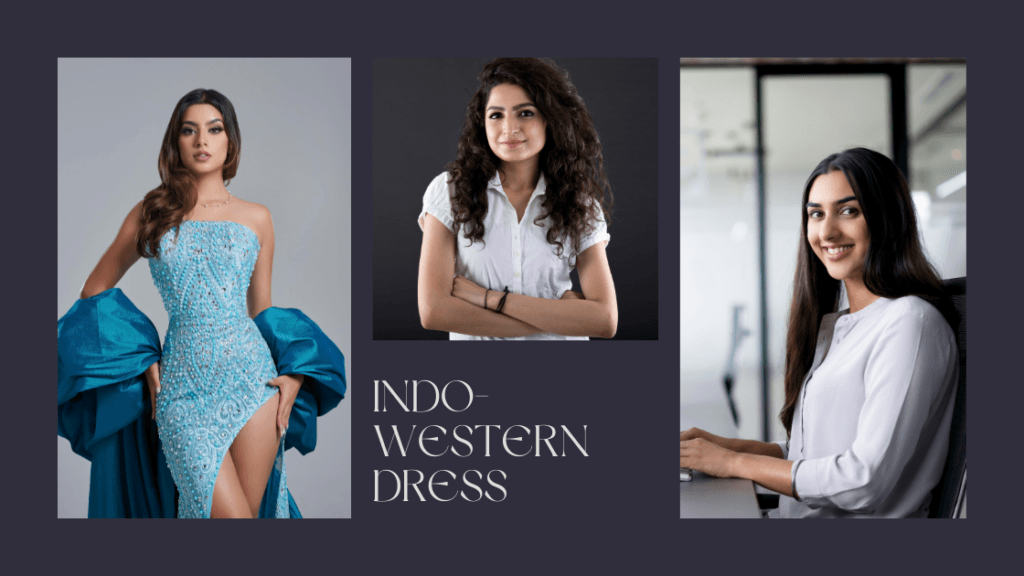
Indo-Western dresses are the ultimate hybrid, blending Indian craftsmanship—like Zardosi or block printing—with Western silhouettes like gowns, jumpsuits, and capes. They represent the fluid identity of modern global fashion.
These are the go-to choices for cocktail parties and international receptions. They allow you to honor your heritage through fabric and print while enjoying the ease of Western evening wear.
13. Saree Gown
The Saree Gown is a one-piece garment that mimics the look of a saree but zips up like a formal dress. It usually features a pre-attached pallu and a structured bodice, removing the need for separate blouses or petticoats.
This style is a game-changer for those who find traditional draping difficult. It offers the glamour of a saree with the simplicity of a gown, making it perfect for high-end galas and red-carpet events.
14. Dhoti Pants with Kurta
Inspired by the traditional men’s dhoti, these pants are draped and pleated to create a voluminous, architectural look. When paired with a kurta, they offer a bold silhouette that stands out in any crowd.
This duo is a popular choice for “ethnic street style.” It’s often seen at festivals and pre-wedding functions, favored by those who want a quirky, edgy alternative to standard suits.
15. Kaftan
The Indian Kaftan is a loose, batwing-sleeved tunic often embellished around the neckline. While the silhouette is global, Indian versions use local textiles like silk, georgette, and vibrant Bandhani prints.
Kaftans have transitioned from luxury loungewear to festive favorites. Because they are breezy and non-restrictive, they are ideal for resort weddings or beachside celebrations.
16. Co-ord Set
Ethnic co-ord sets consist of matching tops and bottoms in the same print or fabric. These sets bring a modern, coordinated aesthetic to traditional Indian textiles like Ajrakh, Kalamkari, or Ikat.
They are the “uniform” of the modern traveler—easy to pack, comfortable for long flights, and polished enough for a quick transition to a brunch or dinner date.
17. Maxi Dress (Indian Style)
An Indian-style maxi dress is a full-length gown that uses ethnic prints and traditional handwork. Unlike Western maxis, these often feature vibrant colors and detailed embroidery like mirror work or zari.
These are perfect for fusion festivals and casual outings. They provide a bohemian, free-spirited vibe while staying deeply rooted in South Asian textile traditions.
18. Patiala Suit
Hailing from Punjab, this suit is famous for its voluminous, pleated trousers. Traditionally, the “Patiala salwar” is worn with a short kurta and a heavy Phulkari dupatta to showcase the fabric’s movement.
It remains a powerful cultural symbol and a staple for Punjabi celebrations. The loose fit makes it one of the most comfortable and breathable options in ethnic fashion.
19. Bandhani Dress
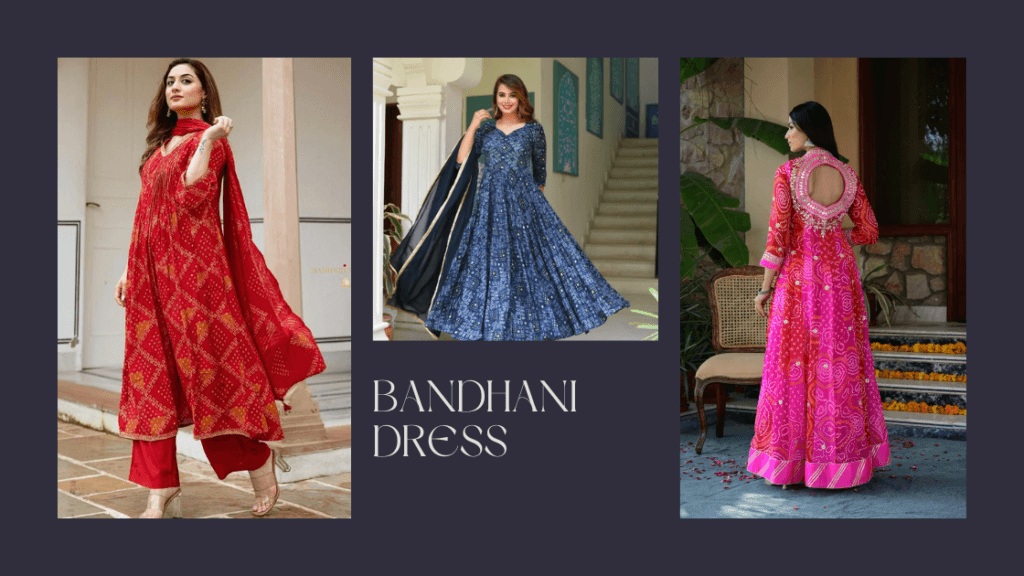
Bandhani is an ancient tie-dye technique from Gujarat and Rajasthan that creates intricate dotted patterns. A Bandhani dress uses these vibrant, textured fabrics to create a look that is both traditional and energetic.
These dresses are essential for cultural festivals like Navratri. The bright colors—traditionally reds, yellows, and greens—symbolize joy and are often worn at weddings.
20. Chikankari Kurti
Artisans in Lucknow create Chikankari by hand-stitching delicate floral motifs, typically using white thread on soft pastel fabrics. This intricate embroidery reflects centuries of skill and remains a global symbol of refined elegance.
Modern fashion enthusiasts prize Chikankari kurtis as “summer essentials” for their breathable feel. These pieces pair effortlessly with denim or white trousers to create a look that is sophisticated, breezy, and timeless.
21. Phulkari Suit
Phulkari, meaning “flower work,” is a vibrant embroidery style from Punjab characterized by dense, colorful silk thread designs. A Phulkari suit usually features a heavily embroidered dupatta that acts as the centerpiece of the outfit.
While the traditional suit is a staple for Punjabi weddings, modern styling often involves pairing a Phulkari jacket or scarf with a plain white or black outfit to make the colors pop.
22. Pattu Pavadai
The Pattu Pavadai is a traditional South Indian dress worn by girls and young women. It consists of a silk skirt (pavadai) and a matching blouse, typically featuring thick golden zari borders and contrasting colors.
It is a key garment for temple visits and religious festivals. While traditionally for younger girls, many designers now create adult versions that celebrate the rich silk heritage of the South.
23. Mekhela Chador
The Mekhela Chador is the traditional attire of Assam. It consists of two main pieces: the Mekhela (the bottom skirt) and the Chador (the top drape). It is famous for being woven from indigenous Muga or Pat silk.
Unlike a saree, the Mekhela is tucked and pleated at the waist, while the Chador is draped over the shoulder. It offers a structured, regal silhouette that is unique to North East India.
24. Nauvari Saree
The Nauvari is a nine-yard saree from Maharashtra that is draped in a style resembling a dhoti. This unique drape historically allowed women to move freely and even ride horses during wartime.
In modern times, it is the signature dress for Maharashtrian weddings and festivals like Ganesh Chaturthi. It symbolizes strength and grace, often paired with traditional gold jewelry.
25. Bandhej Saree
Bandhej is a specific type of tie-dye from Rajasthan and Gujarat. These sarees are recognized by their tiny, intricate dotted patterns which are created by tying thousands of small knots in the fabric before dyeing.
These sarees are beloved for their festive, bright colors. They are a popular choice for traditional ceremonies and are often passed down through generations as heirloom pieces.
26. Leheriya Dress
Leheriya is a “wave” tie-dye pattern that results in beautiful diagonal stripes. Originating in Rajasthan, the patterns traditionally represent the flowing water seen during the monsoon season.
Leheriya dresses and kurtas are incredibly popular for summer and monsoon festivals. Their lightweight fabrics and vibrant, breezy aesthetics make them perfect for daytime events.
27. Jacket Style Kurta Set
This set features a standard kurta and trousers topped with a structured jacket. The jacket can be long or short and is often the main decorative element, featuring heavy embroidery or velvet textures.
It is a sophisticated choice for formal events and evening functions. The layering adds a modern, architectural feel to ethnic wear, making it a favorite for those who want a tailored look.
28. Pre-Draped Saree
The pre-draped saree is designed for convenience without sacrificing elegance. It looks exactly like a traditional saree but comes with the pleats already stitched, allowing you to wear it like a skirt.
This is the top choice for beginners or those who need to get ready quickly. It’s a modern solution that has made the saree accessible to a global audience.
29. Bridal Lehenga
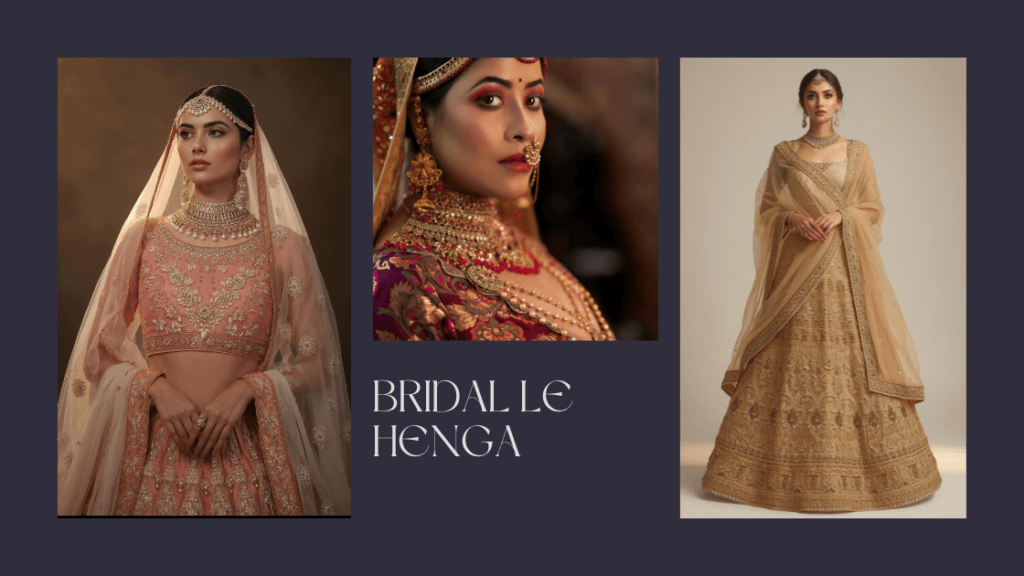
The Bridal Lehenga is the most ornate of all Indian dresses. It is heavily embellished with Zardosi, sequins, and stones, designed to be the focal point of a wedding ceremony.
While traditional red is the classic choice, modern brides are now exploring pastels and metallic shades. It is always paired with a heavy dupatta and intricate jewelry for a complete regal look.
30. Festive Kurta Dress
A Festive Kurta Dress is a fusion piece that combines the length of a maxi dress with the detailing of an Indian kurta. Most designs are intended to be worn as standalone pieces, eliminating the need for leggings or trousers.
This style serves as the perfect “easy” outfit for home celebrations or casual festivals. By removing the complexity of multiple layers, it offers a comfortable and modern way to showcase traditional prints and embroidery.
How Indian Dresses Are Styled Differently in 2026
Fashion in 2026 focuses on wearability and reuse:
- One lehenga styled with different blouses
- Sarees worn with belts or jackets
- Kurtas paired with jeans or trousers
- Dupattas styled as scarves or stoles
This flexibility allows Indian dresses to move beyond single-use occasions.
Indian Dresses and the Global Shopper
Many shoppers today browse Indian dresses online from outside India. Platforms that aggregate multiple labels help users compare styles, fabrics, and price points in one place. For people exploring a wide range of Indian dress types before deciding, discovery platforms like Sasty simplify the process by bringing diverse South Asian fashion brands together without pushing a single label.
Fabric Trends That Matter in 2026
Choosing the right fabric can completely change how an Indian dress looks, feels, and performs throughout the day. In 2026, shoppers pay close attention not just to style, but also to comfort, drape, and sustainability, making fabric selection as important as design itself.
- Cotton & linen for daily wear
- Organza & chiffon for festive looks
Silk blends for weddings - Sustainable handloom fabrics for conscious buyers
Fabric descriptions matter as much as design when shopping online.
How to Choose the Right Indian Dress Type
By occasion
- Wedding: Lehenga, saree, anarkali, gharara
- Festival: Kurta set, sharara, palazzo suit
- Office: Kurti, straight suit, linen saree
- Casual: Maxi dress, co-ord set, kurti
By comfort
- Prefer stitched, ready-to-wear styles
- Look for breathable fabrics
- Avoid heavy embroidery for long wear
Frequently Asked Questions (FAQs)
1. What are the most popular Indian dresses in 2026?
Sarees, lehengas, kurta sets, anarkali suits, sharara suits, and Indo-Western dresses remain the most popular Indian outfits in 2026.
2. How many types of Indian dresses are there?
There are dozens of Indian dress types, including regional, traditional, festive, bridal, casual, and fusion styles. This guide covers over 30 commonly searched names.
3. What is the difference between lehenga and ghagra?
Lehenga is the modern term commonly used today, while ghagra is the traditional name. Both refer to long skirts worn with choli and dupatta.
4. Are Indian dresses suitable for daily wear?
Yes. Kurtis, kurta sets, co-ord sets, and cotton sarees are widely worn for daily and office use.
5. What Indian dresses are best for weddings?
Bridal lehengas, silk sarees, anarkali suits, sharara and gharara sets are commonly worn at Indian weddings.
6. What are Indo-Western Indian dresses?
They are fusion outfits combining Indian embroidery or fabrics with Western silhouettes such as gowns, jumpsuits, jackets, and dresses.
7. Are Indian dresses popular outside India?
Yes. Indian dresses are widely worn by South Asian diaspora communities across the UK, USA, Canada, the Middle East, and Australia.
8. How do I learn Indian dress names easily?
Start by grouping them into sarees, suits, lehengas, and fusion wear. Guides like this list help connect names with real-life use cases.
Bottom Line
The fashion Indian dresses name list in 2026 is broader, smarter, and more global than ever. Indian clothing today is about choice, comfort, identity, and adaptability, whether worn for weddings, work, festivals, or everyday life.
Understanding the names and types helps you shop better, style smarter, and appreciate the depth of Indian fashion beyond trends.
