
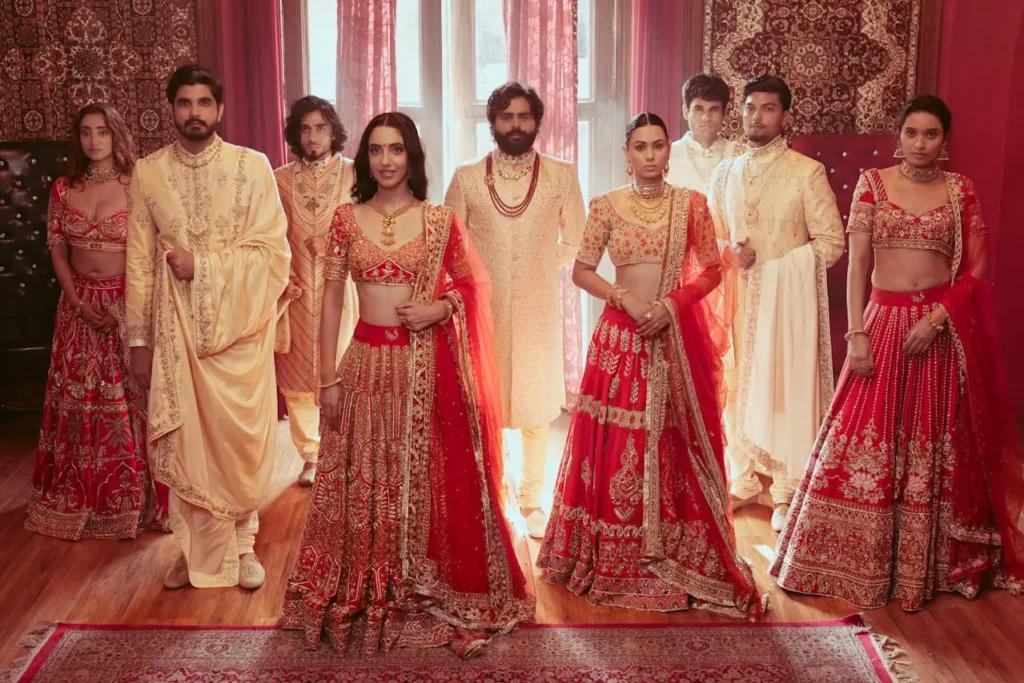
Discovering the True Fashion Capital of India
Step into any street in India, and you’ll notice something fascinating.
No two styles look the same.
In one corner, a woman drapes a handwoven saree passed down through generations. In another, a young professional pairs a kurta with sneakers. Across cities and states, fashion in India is not just about clothing. It is about identity, culture, and evolution.
This naturally leads to an intriguing question.
Which state in India truly has the best fashion sense?
And beyond that, is there a single fashion capital that defines the country’s style?
The answer is not as simple as naming one state. But if you look closely, patterns begin to emerge.
Understanding Fashion Sense in the Indian Context
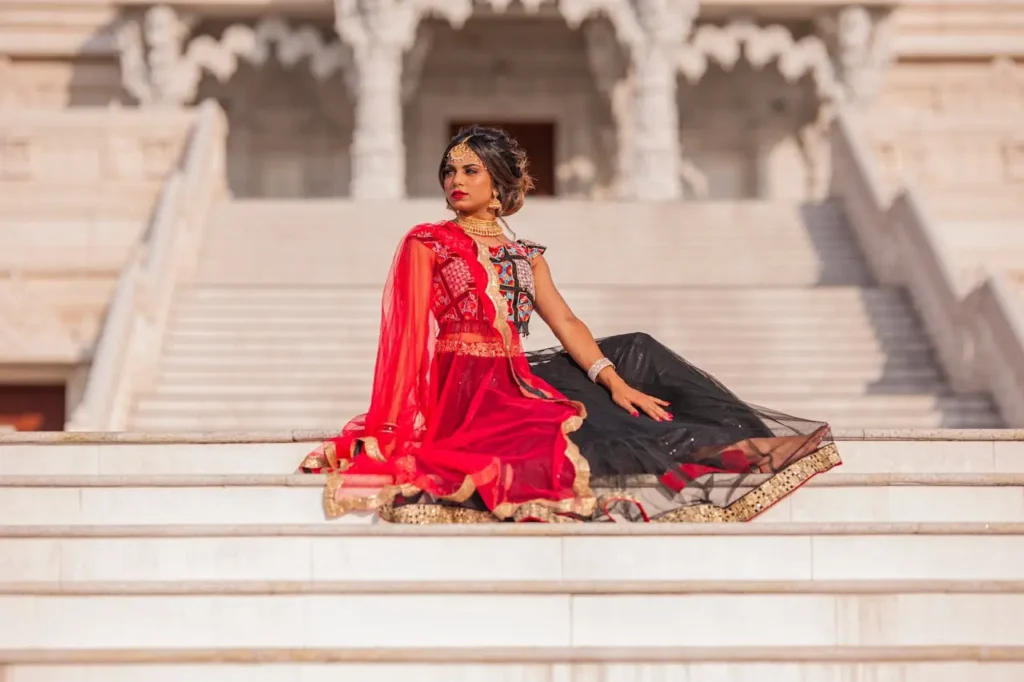
Before comparing states, it is important to understand what “fashion sense” actually means in India.
Unlike many Western countries where trends dominate, Indian fashion operates on multiple layers at once. Tradition and modernity exist side by side. A region’s fashion is shaped by its history, climate, festivals, and even daily lifestyle.
A state with strong fashion influence usually reflects a mix of:
- Deep-rooted textile heritage
- Ability to adapt to modern trends
- Cultural pride in clothing
- Influence on national style preferences
- Visibility through media, cinema, and events
This is why no single state can fully represent Indian fashion. Yet, some stand out more than others.
Maharashtra and the Rise of India’s Fashion Capital
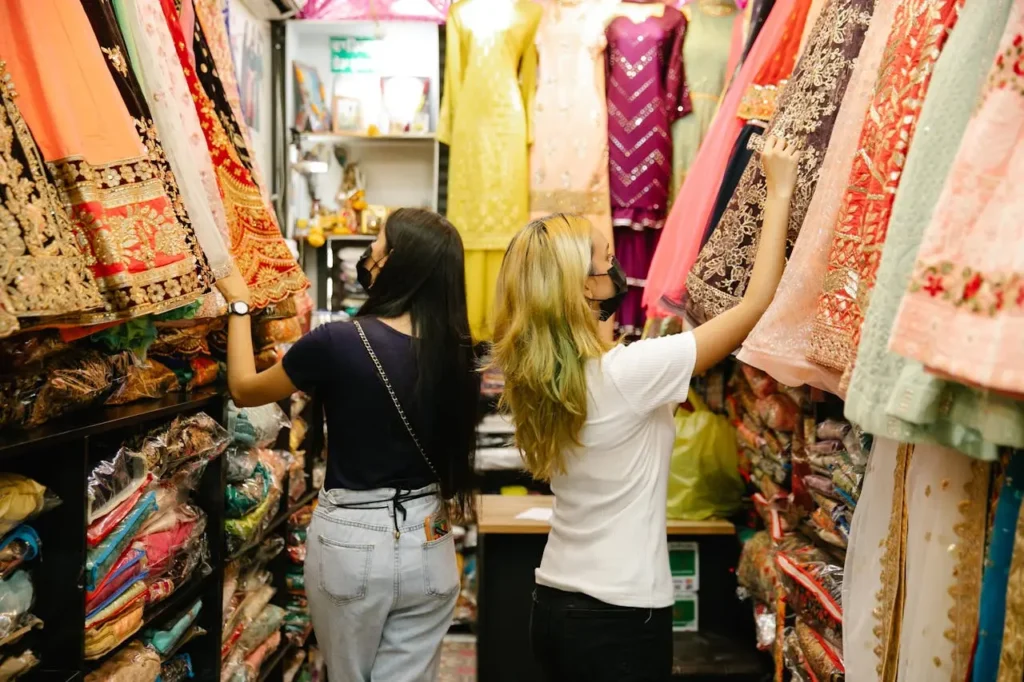
If there is one place that consistently shapes how India dresses today, it is Mumbai in Maharashtra.
Mumbai is not just a city. It is a fashion engine.
The presence of Bollywood alone has transformed it into the most influential style hub in the country. What celebrities wear on screen often becomes a nationwide trend within weeks. From red carpet looks to casual airport outfits, Mumbai drives aspiration.
But its influence goes beyond cinema.
Fashion weeks, designer studios, influencer culture, and global brand presence all converge here. Walk through the streets of Mumbai, and you will see a seamless blend of:
- Contemporary Western fashion
- Indo-western fusion
- Minimalist urban styling
- High-end designer wear
What makes Mumbai unique is its adaptability. It absorbs global trends and reshapes them for Indian sensibilities.
This is why many consider Mumbai the true fashion capital of India. Not because it replaces traditional fashion, but because it connects and amplifies it.
Delhi: Where Fashion Becomes a Statement
While Mumbai leads in trend creation, Delhi brings a different kind of fashion energy.
Here, fashion is not subtle. It is expressive, bold, and often luxurious.
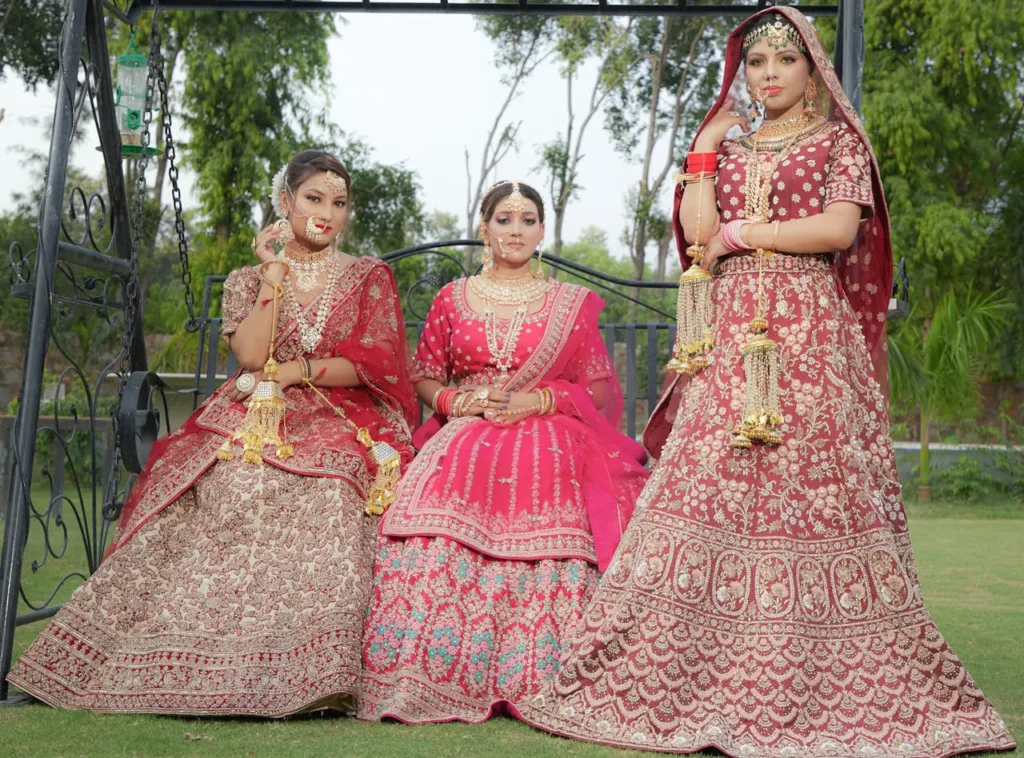
Delhi’s fashion culture is deeply tied to celebrations, especially weddings. Bridal wear trends often originate here before spreading across the country. Heavy embroidery, rich fabrics, and statement silhouettes dominate wardrobes.
This influence becomes even more evident when you explore modern bridal collections, especially designer lehengas that reflect Delhi’s love for grandeur and detail.
Delhi does not try to be understated. It celebrates fashion as a form of power and presence.
Gujarat and Rajasthan: The Soul of Indian Textiles
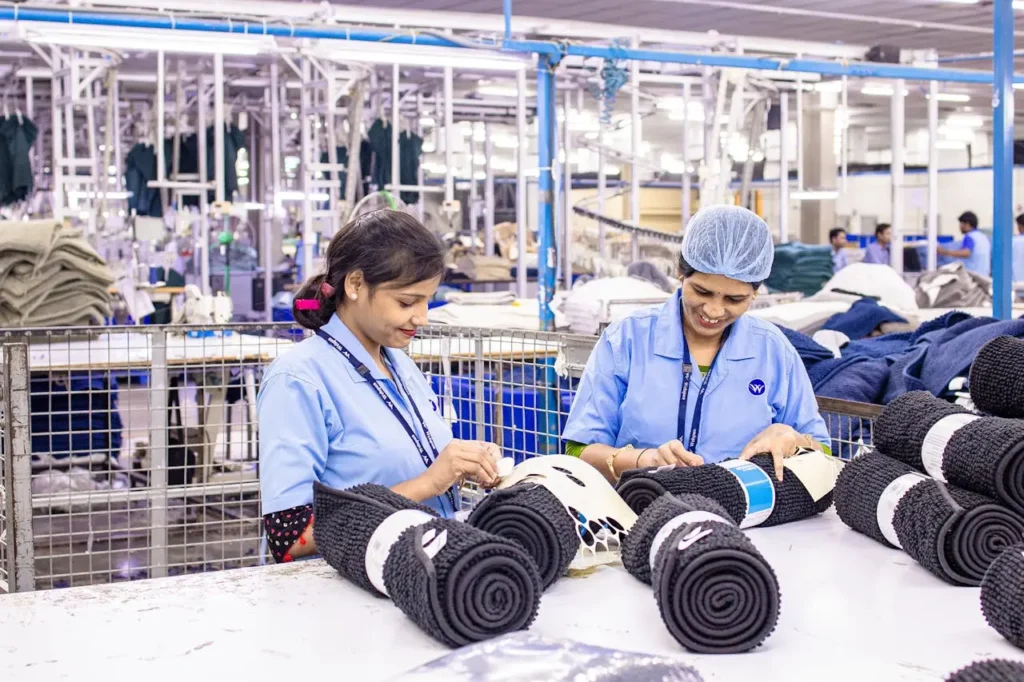
If Mumbai represents the future and Delhi represents luxury, then Gujarat and Rajasthan represent the soul of Indian fashion.
These states are living museums of textile artistry.
From Bandhani and Patola in Gujarat to Bandhej and Leheriya in Rajasthan, every fabric tells a story. The craftsmanship is not just decorative. It carries generations of skill, tradition, and cultural memory.
What makes these states remarkable is how fashion remains deeply integrated into daily life. Traditional prints and techniques are not limited to festivals. They are worn regularly, keeping heritage alive.
In recent years, designers across India have drawn inspiration from these regions, bringing traditional patterns into modern silhouettes.
This fusion ensures that heritage is not lost but continuously reimagined.
West Bengal: The Quiet Elegance of Simplicity
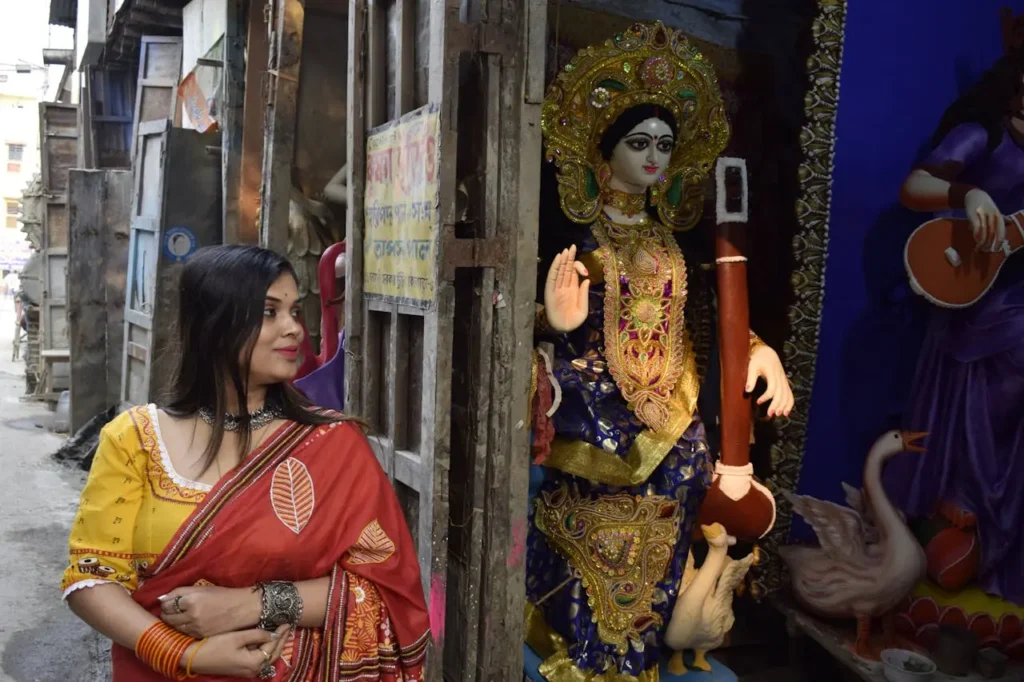
Not all fashion needs to be loud to make an impact.
West Bengal proves that simplicity can be just as powerful.
The saree culture here is deeply refined. Fabrics like Tant and Baluchari are known for their comfort, elegance, and subtle detailing. Unlike heavily embellished styles seen elsewhere, Bengali fashion often leans toward minimalism.
This understated beauty is best experienced through timeless sarees that focus on fabric quality and graceful draping rather than heavy embellishment.
A well-draped saree, paired with minimal accessories, creates a look that never goes out of style.
Punjab: Fashion That Celebrates Life
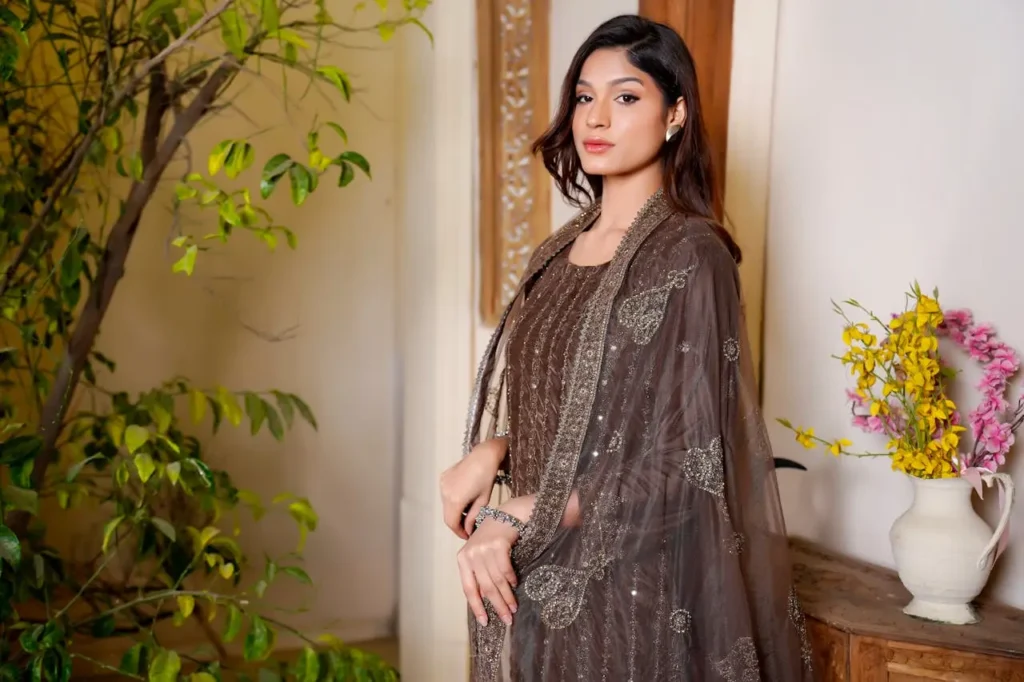
In Punjab, fashion is an extension of personality.
It is vibrant, energetic, and unapologetically bold.
Bright colors, heavy embroidery, and flowing silhouettes define Punjabi style. Outfits like Patiala suits and Phulkari dupattas are instantly recognizable and widely loved across India.
Music and pop culture have further amplified this style, making it popular among younger audiences.
Punjabi fashion does not aim to blend in. It stands out, reflecting confidence and celebration in every thread.
Tamil Nadu: Where Tradition Remains Untouched
While many regions are evolving rapidly, Tamil Nadu holds firmly to its roots.
The fashion culture here is centered around craftsmanship and tradition, especially when it comes to silk sarees. Kanjeevaram sarees are not just garments. They are heirlooms, often passed down through generations.
What sets Tamil Nadu apart is its consistency.
Instead of chasing trends, it preserves identity. The focus remains on quality, authenticity, and cultural significance.
The Shift Toward a Unified Indian Fashion Identity
In the past, fashion in India was largely regional.
Today, that boundary is fading.
Digital platforms are playing a major role in this transformation. Platforms like Sasty make it easier to discover authentic styles from different parts of South Asia in one place.
Consumers are no longer limited to their local styles. Someone in one part of the country can easily explore and adopt fashion from another.
This approach ensures that traditional fashion continues to thrive, even in a rapidly modernizing world.
This has led to a new wave of styling:
- Mixing regional elements
- Experimenting with fusion wear
- Creating personalized fashion identities
A single outfit today might combine a Gujarati print, a Bengali drape, and a modern silhouette inspired by Mumbai.
This is the new India.
So, Which State Truly Has the Best Fashion Sense?
After exploring all these regions, one thing becomes clear.
There is no single “best” state in terms of fashion sense.
Each state excels in its own domain:
- Maharashtra leads in modern, trend-driven fashion
- Delhi dominates luxury and bridal wear
- Gujarat and Rajasthan preserve textile heritage
- West Bengal masters elegance
- Punjab celebrates bold expression
- Tamil Nadu protects tradition
However, when it comes to influence, reach, and evolution, one city stands above the rest.
Mumbai.
It does not replace other fashion cultures. Instead, it acts as a bridge, bringing together different styles and projecting them onto a national and global stage.
Final Thoughts
Indian fashion cannot be confined to one state, one trend, or one identity.
It is a dynamic blend of past and present, tradition and innovation.
The real beauty lies in its diversity.
So instead of asking which state has the best fashion sense, a better question might be:
How can you bring the best of each state into your own style?
Because in today’s India, fashion is no longer about where you are from.
It is about how you choose to express yourself.
