
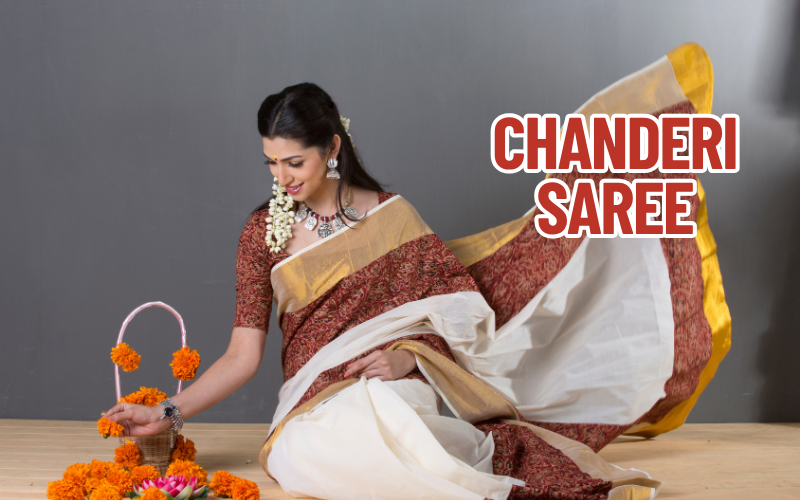
The Chanderi Saree is one of India’s most graceful traditional sarees, known for its lightweight texture, subtle shine, delicate fabric, and timeless elegance. Originating from Chanderi town in Madhya Pradesh, this handwoven saree represents centuries of textile craftsmanship and artistic excellence.
Unlike heavily embroidered sarees, Chanderi sarees are admired for their simplicity, transparency, fine weaving, and sophisticated motifs. They are popular among women who prefer a saree that feels luxurious yet comfortable.
From traditional celebrations and festivals to modern office wear and elegant gatherings, Chanderi sarees have remained relevant because of their versatility. Made using silk, cotton, or a combination of both, these sarees beautifully combine heritage craftsmanship with contemporary fashion.
This guide explains everything about Chanderi Sarees, including their history, origin, weaving process, types, designs, styling ideas, price factors, authenticity checks, and maintenance tips.
What is a Chanderi Saree?
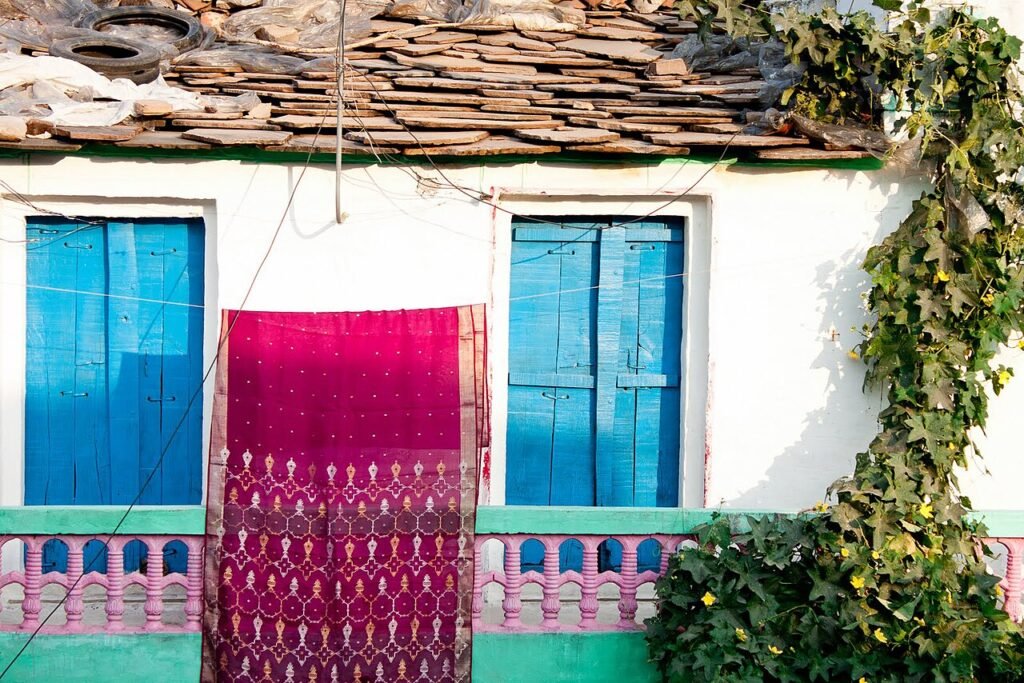
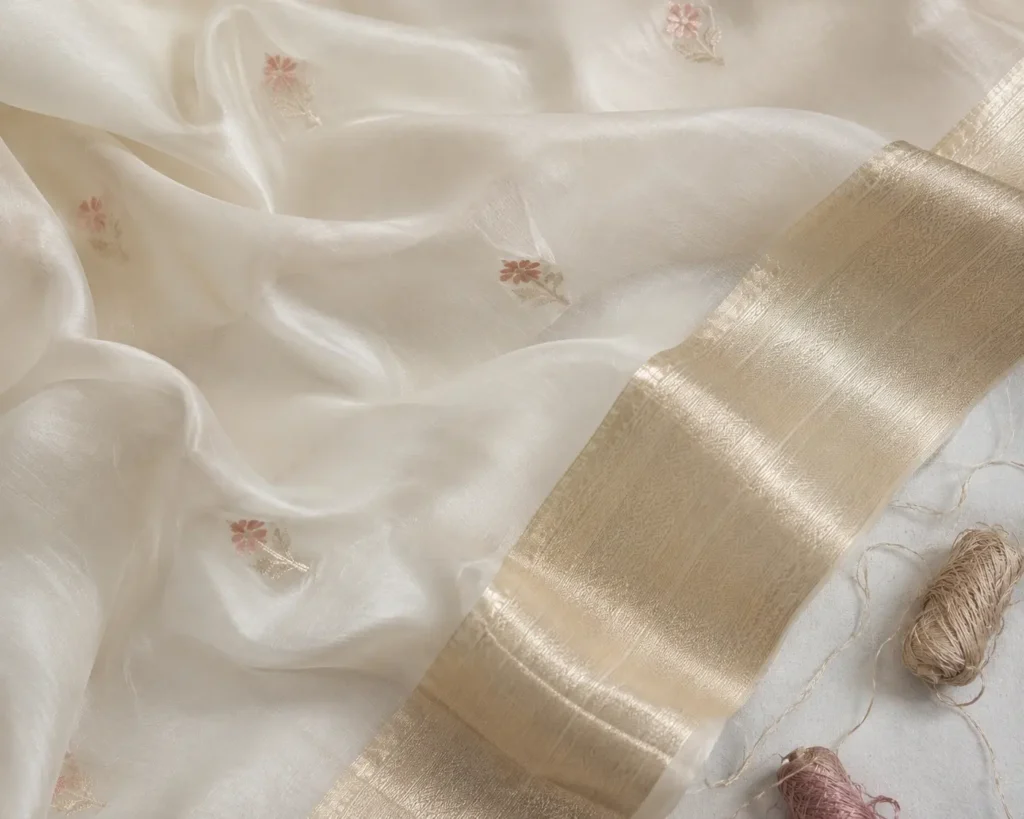
A Chanderi Saree is a traditional handwoven saree made in Chanderi, a historic town in Madhya Pradesh, India. It is famous for its lightweight feel, sheer texture, smooth finish, and elegant zari work.
The unique beauty of Chanderi sarees comes from their delicate fabric structure. Unlike heavier silk sarees that create a rich and dramatic appearance, Chanderi sarees offer a softer elegance with a graceful fall.
Traditional Chanderi sarees are woven using three major types of fabrics:
- Chanderi Silk
- Chanderi Cotton
- Silk-Cotton Chanderi
The sarees are usually decorated with handwoven motifs inspired by nature, architecture, and traditional Indian designs.
Common Chanderi motifs include:
- Peacocks
- Flowers
- Leaves
- Geometric patterns
- Traditional butis
- Temple-inspired designs
The combination of lightweight fabric and intricate weaving makes Chanderi one of India’s most admired handloom sarees.
Chanderi Saree Belongs to Which State?
The Chanderi Saree belongs to Madhya Pradesh, India.
It originates from the town of Chanderi, located in the Ashoknagar district of Madhya Pradesh. This historic town has been a major textile center for centuries and is internationally recognized for its exceptional handloom weaving tradition.
The geographical identity of Chanderi is deeply connected with its saree production. The skills required to create authentic Chanderi sarees have been passed down through generations of local weavers.
The saree is considered an important part of Madhya Pradesh’s cultural heritage and is appreciated across India for its craftsmanship and elegance.
Today, Chanderi sarees are worn throughout India, especially during:
- Festivals
- Religious ceremonies
- Weddings
- Formal gatherings
- Cultural events
History of Chanderi Saree
The history of Chanderi weaving dates back several centuries and is closely linked with India’s royal and cultural traditions.
Chanderi was historically an important center of trade because of its location along major routes connecting different parts of India. The town developed a reputation for producing fine textiles that attracted royal families and aristocratic communities.
During different periods of Indian history, Chanderi weaving received support from rulers who appreciated delicate fabrics and artistic craftsmanship.
The weavers of Chanderi developed specialized techniques that created extremely fine fabrics with a transparent texture and elegant appearance.
Traditional weaving knowledge was preserved within artisan communities, with skills passed from parents to children over generations.
Even today, many Chanderi sarees are created using traditional handloom methods, keeping alive the connection between modern fashion and centuries-old craftsmanship.
Why is Chanderi Saree Famous?
The popularity of Chanderi sarees comes from their unique combination of beauty, comfort, and craftsmanship.
Lightweight and Comfortable Fabric
One of the biggest reasons women love Chanderi sarees is their lightweight nature.
The fabric feels soft and comfortable, making it suitable for long events, warm climates, and occasions where women want elegance without heaviness.
Elegant Transparency
The slight sheer quality of Chanderi fabric gives it a sophisticated appearance.
This delicate transparency creates a graceful look that distinguishes Chanderi from many other traditional sarees.
Traditional Handloom Craftsmanship
Authentic Chanderi sarees are created by skilled artisans who carefully weave patterns into the fabric.
Each saree represents hours of patience and technical expertise.
Versatility
Chanderi sarees can easily transition between traditional and modern fashion.
A simple Chanderi cotton saree can work for everyday elegance, while a zari-rich Chanderi silk saree can be suitable for weddings and festive occasions.
How is a Chanderi Saree Made?
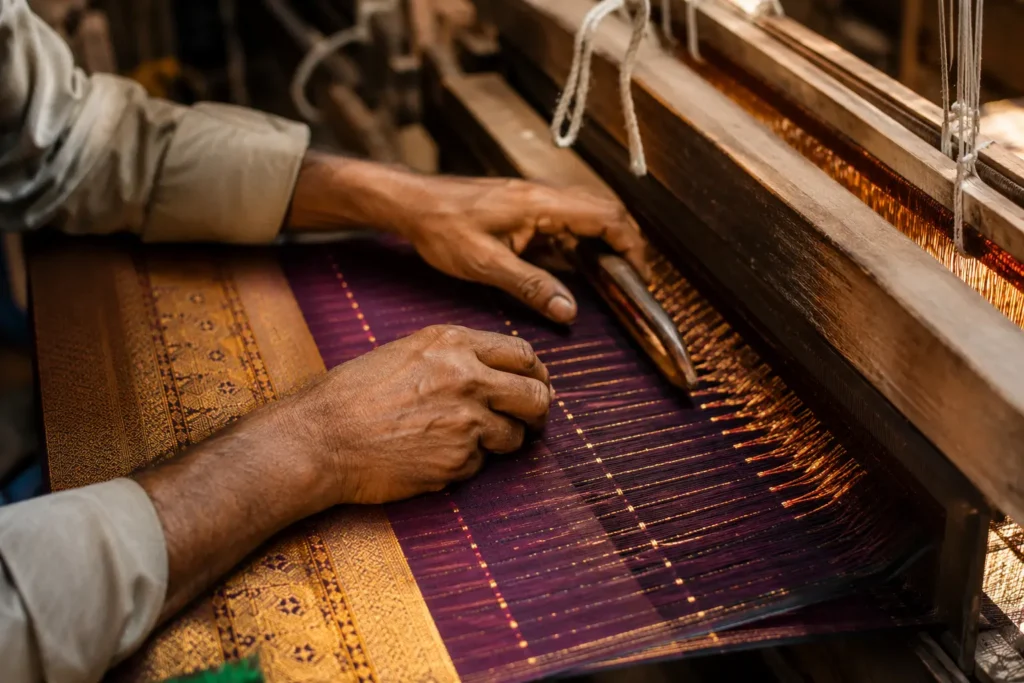
Creating a Chanderi saree requires precision, patience, and traditional weaving knowledge.
Selecting the Yarn
The process begins with selecting suitable yarn depending on the desired fabric type.
Silk yarn creates a luxurious finish, while cotton provides softness and breathability.
Preparing the Warp and Weft
The threads used in weaving are carefully arranged on the loom.
This preparation requires accuracy because even small mistakes can affect the final texture and design.
Handloom Weaving Process
Artisans weave the saree using traditional handlooms.
The process involves carefully combining threads to create the fabric while incorporating decorative motifs.
Unlike printed designs, traditional Chanderi patterns are often woven directly into the fabric.
Adding Zari Work
Many Chanderi sarees feature zari detailing on borders and motifs.
The metallic threads add subtle shine without making the saree appear overly heavy.
Finishing
After weaving, the saree undergoes finishing processes to improve texture, appearance, and durability.
A complex handwoven Chanderi saree may take several days or weeks depending on the design.
Types of Chanderi Sarees
Chanderi sarees are mainly classified according to the fabric used.
Chanderi Silk Saree
Chanderi silk sarees are among the most luxurious varieties.
They combine silk threads with traditional Chanderi weaving techniques, creating a rich texture with a beautiful natural shine.
These sarees are popular for:
- Weddings
- Festivals
- Formal events
- Traditional celebrations
Chanderi Cotton Saree
Chanderi cotton sarees are lightweight, breathable, and comfortable.
They are ideal for women who prefer elegant everyday sarees that are easy to wear.
These sarees are especially suitable for:
- Summer occasions
- Office wear
- Daytime events
Silk-Cotton Chanderi Saree
This variety combines silk and cotton to create a balance between luxury and comfort.
It offers a slightly richer appearance than cotton while remaining lightweight.
Popular Chanderi Saree Designs and Motifs
Chanderi sarees are known for their delicate patterns rather than heavy decoration.
Buti Design
Small motifs spread across the saree body create a simple yet elegant appearance.
Butis are among the most traditional Chanderi patterns.
Floral Designs
Flowers and vines are commonly used because they reflect nature-inspired Indian textile traditions.
Zari Border Designs
Many Chanderi sarees feature metallic borders that enhance the beauty of the lightweight fabric.
Traditional Motifs
Artisans often create patterns inspired by:
- Architecture
- Nature
- Indian culture
- Historical designs
These motifs give every saree a distinct identity.
Chanderi Saree for Weddings
Although Chanderi sarees are lighter compared to heavy bridal silks, they are increasingly popular for modern wedding celebrations.
Women often choose Chanderi silk sarees for:
- Engagement ceremonies
- Wedding guests’ outfits
- Reception events
- Pre-wedding functions
For weddings, richer versions featuring zari borders, embroidered blouses, and statement jewelry create an elegant traditional look.
Unlike heavier wedding sarees, Chanderi allows easier movement while maintaining sophistication.
How to Style a Chanderi Saree
The beauty of a Chanderi saree lies in its understated elegance.
Because the saree itself is delicate and refined, styling should complement its simplicity.
Blouse Designs for Chanderi Saree
Popular blouse choices include:
- Contrast-colored silk blouses
- Embroidered sleeves
- High-neck designs
- Brocade blouses
- Designer back patterns
A well-designed blouse can completely transform a simple Chanderi saree.
Jewelry Styling
Traditional and contemporary jewelry both work well.
Popular choices include:
- Silver jewelry
- Gold earrings
- Pearl accessories
- Temple jewelry
- Minimal necklaces
Footwear
Elegant footwear options include:
- Juttis
- Sandals
- Traditional flats
- Block heels
How to Drape a Chanderi Saree
Since Chanderi fabric is lightweight, it is relatively easy to drape compared to heavier silk sarees.
The most common draping style is the traditional Nivi style.
The process includes:
- Tucking the saree around the waist
- Creating neat front pleats
- Bringing the pallu over the shoulder
- Adjusting the folds for a graceful fall
Because the fabric is soft and flexible, Chanderi sarees create beautiful movement while walking.
How to Identify an Original Chanderi Saree?
With increasing popularity, many machine-made alternatives are available in the market.
Some signs of an authentic Chanderi saree include:
Lightweight Texture
Original Chanderi sarees are known for their delicate and lightweight feel.
Fine Weaving
Handwoven sarees often show small irregularities that reflect artisan craftsmanship.
Traditional Motifs
Authentic pieces usually feature carefully woven patterns rather than surface printing.
Fabric Quality
Genuine Chanderi silk and cotton have a distinct texture and natural appearance.
Buyers should always check product details and seller credibility when purchasing online.
Chanderi Saree Price
The price of a Chanderi saree depends on several factors:
- Type of fabric
- Handloom craftsmanship
- Zari work
- Design complexity
- Artisan effort
Cotton Chanderi sarees are usually more affordable, while pure silk Chanderi sarees with detailed zari work command higher prices.
A handcrafted saree generally costs more because it represents significant time and skill.
How to Wash and Care for Chanderi Saree?
Chanderi sarees require careful maintenance because their delicate weave and lightweight fabric need protection.
Avoid Harsh Washing Methods
Strong detergents and aggressive washing can damage the fine fibers of the saree.
For expensive silk Chanderi sarees, professional dry cleaning is usually recommended.
For cotton Chanderi sarees, gentle hand washing with mild detergent may be suitable depending on the fabric quality.
Store the Saree Properly
Always store Chanderi sarees in a clean, dry place.
Wrapping them in soft cotton or muslin fabric helps protect the textile from dust and moisture.
Avoid keeping them exposed to direct sunlight for long periods because it may affect the color.
Iron Carefully
Chanderi fabric should be ironed at a low temperature.
Using a protective cloth between the iron and saree helps prevent damage.
Refold Occasionally
Changing fold positions occasionally prevents permanent creases from forming on delicate fabrics.
Where to Buy Chanderi Saree Online?
When buying a Chanderi saree online, consider:
- Fabric description
- Handloom details
- Seller reputation
- Customer reviews
- Product photographs
A trustworthy seller should clearly mention whether the saree is:
- Pure silk Chanderi
- Cotton Chanderi
- Silk-cotton blend
- Handwoven or machine-made
Platforms offering curated South Asian fashion collections can help buyers discover different traditional saree styles from various regions.
Frequently Asked Questions About Chanderi Saree
What is a Chanderi Saree?
A Chanderi Saree is a traditional handwoven saree from Chanderi, Madhya Pradesh, known for its lightweight texture, subtle shine, delicate motifs, and elegant appearance.
Chanderi saree belongs to which state?
The Chanderi saree belongs to Madhya Pradesh, India. It originates from the historic town of Chanderi, which is famous for its centuries-old weaving tradition.
Is Chanderi saree made of silk?
Some Chanderi sarees are made from silk, while others use cotton or a silk-cotton combination. Chanderi silk sarees are considered among the more luxurious varieties.
Is Chanderi saree suitable for weddings?
Yes. Chanderi silk sarees with zari borders and rich blouses are suitable for weddings, receptions, and festive occasions. They offer elegance without the heaviness of some traditional bridal sarees.
How can I identify an original Chanderi saree?
An original Chanderi saree usually has a lightweight texture, fine handloom weaving, traditional motifs, and high-quality fabric. Checking authenticity details from a trusted seller is important.
Why is Chanderi saree expensive?
Handwoven Chanderi sarees require skilled artisan work, careful weaving, and quality materials. The time and craftsmanship involved contribute to their value.
Can Chanderi sarees be worn daily?
Yes. Cotton Chanderi sarees are comfortable for regular wear, office use, and daytime occasions because they are lightweight and breathable.
How long does a Chanderi saree last?
With proper care and storage, a high-quality Chanderi saree can remain beautiful for many years and may become a treasured wardrobe piece.
Conclusion
The Chanderi Saree represents the perfect balance between simplicity and sophistication. With its lightweight texture, delicate weaving, and centuries-old craftsmanship, it continues to hold a special place in Indian fashion.
From traditional celebrations to modern occasions, Chanderi sarees offer timeless elegance for women who appreciate heritage textiles with a contemporary appeal.
More than just a garment, a Chanderi saree reflects the skill of artisans, the cultural identity of Madhya Pradesh, and India’s remarkable handloom tradition.
